
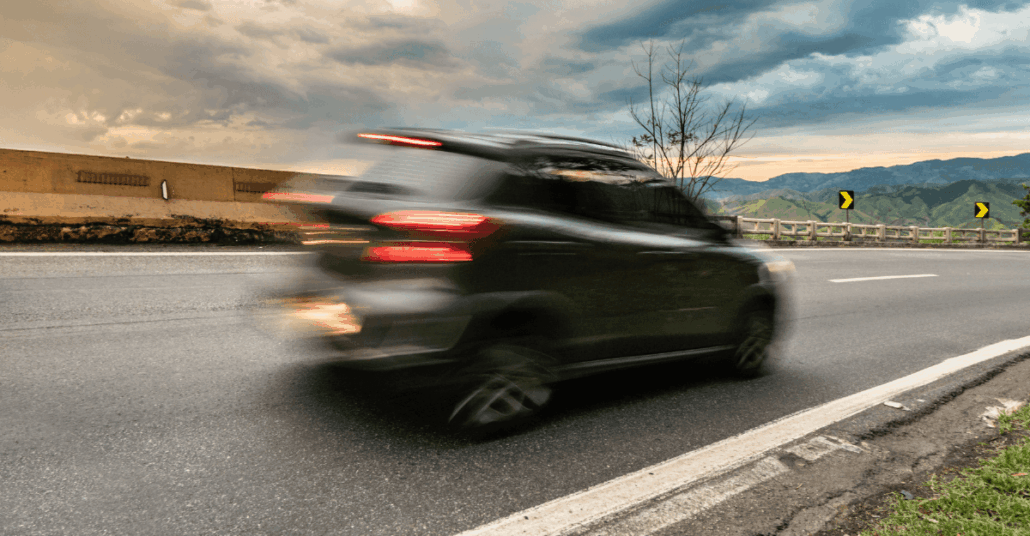
Speeding-Related Car Accidents: Your Rights as an Injured Victim in Chicago
Speeding-related car accidents remain a major safety issue in Chicago, leading to severe injuries and life-altering consequences for countless individuals each year. High speeds increase the force of impact in a crash, leaving victims vulnerable to devastating physical, emotional, and financial harm.
For those injured in a speeding accident, knowing what steps to take immediately following the collision—and understanding your options for recovery—can make all the difference in securing necessary medical care and rightful compensation. Whether you’re dealing with mounting expenses or facing an uncertain future after a serious crash, it’s essential to be informed about your legal rights and available avenues for holding at-fault drivers accountable.
Understanding Speeding-Related Car Accidents in Chicago
Speeding refers to driving at speeds exceeding the posted limits or too fast for road conditions. This reckless behavior increases the likelihood of accidents and severe injuries.
- Driver Aggressiveness: Many drivers exhibit aggressive driving behaviors, including tailgating and weaving through traffic, which often leads to speeding.
- Late for Appointments: In a bustling city like Chicago, drivers frequently speed due to being late for work or other commitments.
- Road Rage: Emotional stress and frustration can lead to road rage, causing drivers to speed as they react impulsively to traffic situations.
- Underestimating Risks: Some drivers underestimate the dangers of speeding, believing they have adequate control over their vehicle.
Certain roads in Chicago are notorious for speeding-related crashes. Here are examples of major highways and urban streets where such incidents frequently occur:
Major Highways:
- I-55: This interstate sees high-speed traffic, leading to frequent accidents.
- I-94: Known for its heavy congestion, I-94 often witnesses drivers excessively speeding during lighter traffic periods.
- I-290: The Eisenhower Expressway has significant accident rates due to high-speed travel.
- I-90: As one of the busiest highways, I-90 grapples with numerous speeding-related collisions.
Urban Streets:
- Western Avenue: A major thoroughfare where speeding contributes to frequent crashes.
- Cicero Avenue: Heavy traffic combined with high speeds makes Cicero a dangerous street for motorists.
- Lake Shore Drive: Known for scenic views but also high-speed incidents, particularly late at night.
These roads exemplify the critical areas where speeding poses substantial risks.
The Dangers and Injury Risks from Speeding Accidents
Speeding significantly increases the severity of car accidents, resulting in more serious injuries due to the higher impact forces involved. When a vehicle is traveling at a faster speed, the likelihood of severe injuries and fatalities also increases.
Common Physical Injuries Resulting from High-Speed Collisions
- Traumatic Brain Injuries (TBIs): High-speed impacts can cause the brain to collide with the skull, leading to TBIs that range from mild concussions to severe brain damage.
- Spinal Cord Injuries: The force exerted in speeding accidents can fracture vertebrae or dislocate discs, potentially resulting in partial or complete paralysis.
- Whiplash: Sudden stops or collisions at high speeds often lead to whiplash, a neck injury caused by rapid back-and-forth movement. This condition can result in chronic pain and reduced mobility.
- Concussions: Similar to TBIs, concussions occur when the head is violently shaken during an accident, causing temporary loss of brain function and long-term health issues.
- Fractures: Limbs, ribs, and other bones are highly susceptible to breaking under the intense forces of a speeding collision. Fractures may require extensive medical intervention and prolonged recovery periods.
- Internal Bleeding: The violent nature of high-speed crashes can cause internal organs to rupture or bleed, necessitating immediate medical attention and possibly life-saving surgery.
Increased speed not only endangers vehicle occupants but also pedestrians and cyclists on Chicago’s roads. Pedestrian safety becomes a critical concern as higher speeds reduce reaction times, increasing the likelihood of severe injuries or fatalities in urban accidents.
Gathering Evidence for Your Personal Injury Claim After a Speeding Car Accident in Chicago
Building a strong personal injury claim after a speeding-related crash starts with strategic evidence collection. Every detail matters—documenting the scene can make the difference between a denied claim and full compensation. Key steps for gathering evidence after a car accident in Chicago include:
- Vehicle Damage Photos
High-resolution photographs of all vehicles involved reveal the severity and dynamics of impact. Crumple zones, broken glass, and deployed airbags can demonstrate the force at play, supporting claims about excessive speed.
- Skid Marks Evidence
Capturing skid marks or gouge marks on the pavement is critical. These physical traces help accident reconstruction experts estimate speed, braking distance, and points of collision—often supporting your contention that speeding was a factor.
- Accident Report Importance in Legal Cases
The police accident report provides an official record of the incident, including diagrams, officer observations, and citations for speeding. Insurance companies and courts rely heavily on this document to establish fault and validate claims.
- Eyewitness Accounts – Chicago Car Accidents
Collect names and contact details from anyone who saw the crash. Eyewitnesses can provide independent statements about vehicle speeds, erratic driving behaviors, or traffic conditions before impact, adding powerful support to your version of events.
Many modern vehicles are equipped with event data recorders (“black boxes”) that store vital information such as speed at impact, seatbelt usage, and brake application immediately before the crash. Securing this data requires quick action, but it serves as objective proof of speeding.
- Dash Camera Footage
Video evidence from dash cams offers an unfiltered view of events leading up to and during the collision. Footage may capture reckless maneuvers or corroborate time-stamped data about vehicle speed and driver response.
Systematic documentation at the scene lays a foundation for any legal case involving injury or property loss. Securing both physical and digital evidence strengthens your position when dealing with insurers or presenting arguments in court. A thorough approach to gathering evidence after a car accident in Chicago ensures no critical detail is left unexamined as you pursue just compensation.
Navigating the At-Fault Insurance System in Illinois for Speeding Accidents
Navigating the aftermath of a motor vehicle collision in Illinois requires more than just a basic understanding of the road—it demands a firm grasp of the state’s specific legal and insurance framework. When speeding is the primary cause of an accident, the stakes are elevated because high-velocity impacts often result in more severe injuries and complex liability disputes.
The Mechanics of an At-Fault State
Illinois operates as an at-fault (or “tort”) insurance state. This means that the person who caused the accident is legally liable for the resulting damages. Unlike “no-fault” states, where drivers first turn to their own personal injury protection (PIP) coverage regardless of blame, Illinois requires victims to pursue compensation from the negligent party’s insurance provider.
In cases involving speeding, the “duty of care” is the central legal concept. Every driver has a legal obligation to operate their vehicle at a speed that is reasonable and proper for the current conditions. When a driver exceeds the posted limit or fails to slow down for rain, ice, or heavy traffic, they breach this duty, creating a strong foundation for a negligence claim.
Determining Liability: Beyond the Speedometer
Proving that a driver was speeding requires more than just an accusation; it requires a cocktail of digital and physical evidence. Insurance adjusters and legal teams typically look at:
- Police Reports and Citations: If a responding officer issues a ticket for “Speeding” or “Failure to Reduce Speed to Avoid an Accident,” it serves as powerful evidence of negligence per se.
- Electronic Data Recorders (EDRs): Most modern vehicles contain “black boxes” that record speed, braking, and throttle position in the seconds leading up to a crash.
- Accident Reconstruction: Experts can analyze skid marks and vehicle deformation to mathematically calculate the velocity of the vehicles at the moment of impact.
- Surveillance and Dash Cams: In an increasingly connected world, doorbell cameras and dash cams often provide the “smoking gun” needed to prove a vehicle was traveling well above the flow of traffic.
The 51% Bar: Modified Comparative Negligence
Illinois utilizes a modified comparative negligence standard, which is perhaps the most critical rule for victims to understand. Under this rule ($735 ILCS 5/2-1116$), you can recover damages as long as you are not more than 50% at fault for the incident.
However, your recovery is reduced in direct proportion to your share of the blame. Imagine a scenario where a speeding driver hits you, but you were distracted or failed to use a turn signal. If a jury determines you were 25% responsible and the speeding driver was 75% responsible, a $100,000 award would be reduced to $75,000. If your fault reaches 51%, you are barred from recovering any compensation from the other party whatsoever.
Navigating Insurance Adjuster Tactics
It is a common misconception that insurance adjusters are there to help you. In reality, their primary goal is to protect their company’s bottom line. When speeding is involved, adjusters may use several tactics to mitigate their liability:
- The “Pre-existing” Defense: They may argue that your back pain or neck injury was a result of age or a prior injury rather than the high-speed collision.
- Recorded Statement Traps: Adjusters often push for a recorded statement early on, hoping you’ll make a comment that implies you were also speeding or distracted.
- Downplaying Force: They may argue that the “low impact” of the crash (based on photos) couldn’t possibly have caused the medical issues you are claiming.
Scope of Compensation and Recovery
Because speeding accidents often involve high kinetic energy, the medical expenses can be astronomical. A comprehensive claim in Illinois should account for:
- Economic Damages: This includes immediate ER bills, future surgeries, physical therapy, and lost wages (both current and future loss of earning capacity).
- Non-Economic Damages: This covers “pain and suffering,” emotional distress, and the loss of enjoyment of life. Unlike some states, Illinois does not currently have a “cap” on non-economic damages in personal injury cases, making it vital to document the accident’s impact on your daily life.
Protecting Your Rights
To navigate this system successfully, documentation is your greatest ally. Keep detailed records of all medical treatments, save copies of all correspondence with insurance companies, and avoid discussing the accident on social media. In the complex landscape of Illinois insurance law, understanding these “rules of the road” is the first step toward securing the compensation necessary for a full recovery.
Would you like me to draft a checklist of the specific documents you’ll need to gather to support a speeding-related insurance claim in Illinois?
Legal Rights and Benefits of Hiring a Chicago Car Accident Lawyer After a Speeding Crash
When dealing with the aftermath of car accidents caused by speeding, having a Chicago car accident lawyer is essential for making claims. Legal representation after a car accident offers more than just basic advice—it provides organization, strategy, and strong support throughout every stage of your injury claim.
Key ways attorneys assist injured victims include:
- Comprehensive Evidence Gathering: Attorneys take the lead in collecting and preserving critical evidence. This includes photographs of vehicle damage, road conditions, skid marks, black box data, dash camera footage, and eyewitness statements. Their team works with accident reconstruction specialists to prove how excessive speed contributed to the crash.
- Handling Communication with Insurers: Insurance adjusters are trained to minimize payouts, often pressuring injured victims into quick settlements. A lawyer shields clients from direct communication with insurers, ensuring only accurate and necessary information is provided, protecting your rights at every step. Understanding how insurance companies determine fault in a car accident can also be beneficial during this phase.
- Calculating True Case Value: Experienced lawyers assess all damages—medical bills, lost wages, future care needs, pain and suffering—to determine the full value of your claim. They rely on medical experts and financial consultants to forecast long-term costs for serious injuries typical in high-speed collisions.
- Aggressive Negotiation and Litigation Support: Skilled negotiation is essential for fair compensation. If insurers refuse reasonable settlements, your attorney builds a compelling case for trial using the evidence assembled. Their courtroom experience pressures insurance companies to take your claim seriously.
A dedicated legal team takes on the complexities of Illinois personal injury law while clients focus on healing. This support paves the way for securing maximum compensation after speeding-related car accidents, ensuring no detail is overlooked as you move forward with recovery.
Compensation Available for Victims of Speeding Car Accidents in Illinois
Victims of speeding car accidents in Illinois are entitled to various types of compensation. Understanding the available financial recovery options can help injured individuals and their families navigate the aftermath of a crash.
Economic Damages
Economic damages refer to the tangible financial losses that victims can claim. These may include:
- Current Medical Treatments: Immediate medical expenses, including emergency room visits, surgeries, and medications.
- Future Medical Treatments: Long-term healthcare needs such as physical therapy, rehabilitation, and ongoing medical care.
- Lost Earning Capacity: Compensation for wages lost due to inability to work and potential future earnings affected by long-term injuries.
- Property Damage: Costs associated with repairing or replacing the damaged vehicle and other personal property.
Non-Economic Damages
Non-economic damages encompass the emotional and psychological impact of the accident on the victim. This includes:
- Pain and Suffering: Compensation for physical pain, emotional distress, and psychological trauma experienced by the victim.
- Disfigurement or Disability: Financial recovery for permanent disfigurement or lifelong disability resulting from the accident.
- Loss of Enjoyment of Life: Damages awarded for diminished ability to enjoy day-to-day activities and life experiences.
- Loss of Consortium: Compensation for the impact on personal relationships, including loss of companionship and support.
Wrongful Death Lawsuits
In cases where speeding accidents result in fatalities, certain additional compensations may be pursued through wrongful death lawsuits:
- Funeral and Burial Costs: Coverage for funeral expenses and burial services.
- Loss of Income: Financial support for the loss of the deceased’s income that would have contributed to family finances.
- Emotional Distress: Compensation for grief, sorrow, and mental anguish suffered by surviving family members.
- Loss of Services: Recovery for household services previously provided by the deceased.
Work with a Skilled Orland Park, IL Car Crash Lawyer
Securing legal counsel immediately after a speeding-related crash is critical to protecting your rights and maximizing your recovery. Illinois law places a time limit—known as the statute of limitations—on personal injury and wrongful death claims. For most car accident cases, victims have just two years from the date of the accident (or death) to file a lawsuit. Delays can jeopardize evidence, limit witness availability, and make it harder to build a compelling case.
Early involvement of an attorney provides several key advantages:
- Prompt Evidence Preservation: A lawyer can swiftly secure accident scene photographs, vehicle data, surveillance footage, and black box records before they disappear.
- Aggressive Insurance Negotiation: Insurance companies often attempt to minimize payouts; having skilled representation levels the playing field.
- Thorough Case Preparation: Early consultation allows your legal team to gather medical records, consult experts, and fully document your losses for optimal compensation.
If you or someone you love has suffered injuries or loss due to a speeding driver in the Chicago area, contact Fotopoulos Law Firm Chicago for dedicated support. Our attorneys focus on helping injured victims pursue justice and full compensation after speeding-related car crashes and all other types of traffic-related accidents. Schedule a free confidential consultation today—let our experience work for you when it matters most.








Leave a Reply
Want to join the discussion?Feel free to contribute!