
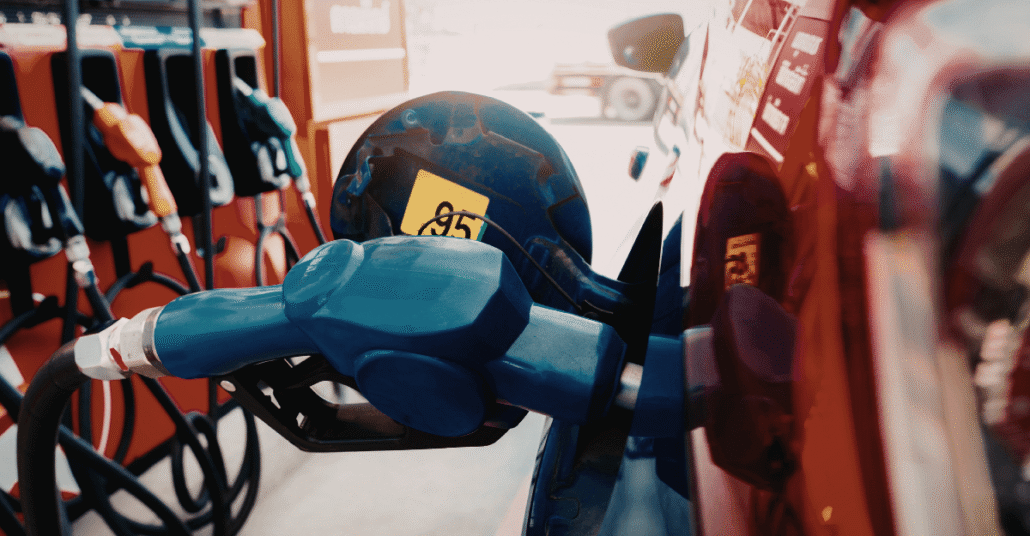
Hit by a Car While Pumping Gas: Is the Gas Station Liable?
The routine act of refueling a vehicle rarely commands our full attention. You pull up to a pump off Court Street or Kennedy Drive in Kankakee, step out of your car, and focus on the transaction. You do not anticipate a negligent driver careening into the fueling area, turning a mundane errand into a life-altering event. Pedestrian accidents at gas stations frequently result in severe trauma because the victim is completely exposed, often pinned between vehicles or crushed against the heavy metal fuel dispenser. When you are reeling from such an incident, you need clear guidance on your legal options.
Who Is Liable When a Pedestrian Is Struck at a Gas Station?
Liability for a gas station pedestrian accident typically falls on the careless driver who caused the impact, but the gas station owner may also be liable if poor property design, inadequate lighting, or missing safety barriers contributed to the collision.
When a vehicle strikes a person standing at a gas pump, the immediate assumption is that the driver behind the wheel is entirely at fault. In many instances, this is accurate. Drivers navigating tight spaces around fuel islands often fail to exercise the necessary caution. They may be looking at their phones, rushing to secure an open pump, or driving while impaired. The erratic movement of vehicles in a confined space creates a highly dangerous environment for pedestrians who are focused on operating the pump.
However, Illinois law recognizes that multiple parties can share liability for a single event. A gas station is a commercial property, and the owners have a legal obligation to maintain a reasonably safe environment for their patrons. If the property owner failed to implement standard safety measures that could have prevented the vehicle from striking you, they can be held partially or entirely liable for your injuries through a premises liability claim.
To effectively untangle these overlapping areas of responsibility, we examine the actions of all involved parties. Key indicators of driver negligence include:
- Speeding excessively through the parking lot or pump lanes in an attempt to bypass traffic congestion creates a dangerous situation for others.
- Texting or actively using a mobile device for non-essential purposes while driving or navigating the property leads to distracted driving and reduced reaction time.
- Driving recklessly while under the influence of alcohol, illegal drugs, or impairing prescription medication severely compromises judgment and motor skills.
- Failing to yield the right-of-way to pedestrians who are actively moving between the convenience store entrance and the fuel pumps, violating traffic laws, and showing common courtesy.
- Illegally cutting across the gas station lot as a shortcut to avoid stopping at a red light at a nearby street intersection, an act often associated with high speed and disregard for property traffic flow.
- Ignoring posted speed limits or directional signage within the gas station property, contributing to confusion and potential accidents.
- Backing up without checking for pedestrians, other vehicles, or obstacles, particularly in congested pump areas.
- Suddenly swerving or changing lanes without signaling, disrupting the flow of traffic and causing other drivers to react abruptly.
How Do Gas Station Layouts Contribute to Pedestrian Accidents?
A gas station’s physical layout can directly cause accidents if it forces unnatural traffic patterns, lacks clear directional signage, provides insufficient space between pumps, or fails to install sturdy protective bollards to shield pedestrians standing exposed at the fuel dispensers.
Gas stations located near high-traffic corridors in Kankakee County, such as those situated off I-57 or along Route 50 in Bourbonnais, accommodate a massive volume of vehicles daily. The design of these stations must account for heavy flow, large commercial trucks, and hurried drivers. When a property is poorly designed, it actively creates hazards. For example, if the distance between the storefront parking spaces and the fueling islands is too narrow, a driver backing out of a spot may easily pin a pedestrian against a pump.
One of the most critical safety features at any gas station is the presence of concrete bollards the sturdy, concrete-filled posts positioned at the ends of fuel islands. These structures are not merely decorative; they are engineered to stop a moving vehicle from striking the highly combustible fuel dispenser and the people standing beside it. If a gas station owner chooses not to install these barriers, or allows them to fall into disrepair, they are removing a vital layer of physical protection for their customers.
When evaluating the property’s layout for a liability claim, we look for specific hazardous conditions, including:
- The complete absence of concrete bollards or protective barriers around the fueling area
- Poorly designed entry and exit points that cause traffic bottlenecks on the property
- Inadequate lighting that makes it difficult for drivers to see pedestrians during evening hours or inclement weather
- Faded or missing pavement markings that fail to direct the safe flow of traffic
- Blind spots created by large advertising signs, poorly placed dumpsters, or overgrown landscaping
Navigating Premises Liability Laws in Illinois
Under the Illinois Premises Liability Act, property owners have a duty of reasonable care to individuals who are lawfully on their premises. This means that a gas station operator in Bradley or Kankakee must protect customers from foreseeable harm. The concept of “foreseeability” is a central pillar in these legal claims.
A gas station owner might argue that they could not possibly predict a reckless driver speeding into their lot. However, the law often views traffic accidents in parking lots and fueling areas as highly foreseeable events. Because gas stations are designed entirely around the movement of motor vehicles near pedestrians, the risk of a collision is inherent to the business model. Therefore, the owner must take proactive steps to mitigate that known risk.
If a specific intersection, such as the areas near Washington Avenue or Schuyler Avenue, has a history of traffic accidents, a gas station situated on that corner must be particularly vigilant regarding perimeter safety. If the station has experienced prior incidents of vehicles jumping the curb or clipping the pumps, the owner is officially on notice that a hazard exists. Failing to upgrade safety barriers or alter the traffic flow after a near-miss or a previous accident serves as powerful evidence of negligence.
What Evidence Is Necessary to Prove the Gas Station Was Negligent?
Proving gas station negligence requires demonstrating that a hazardous condition existed and contributed to the crash. This involves securing surveillance footage, analyzing property maintenance records, reviewing prior accident reports at the location, and obtaining testimony from engineering or safety professionals.
The success of a premises liability claim against a commercial entity hinges on objective evidence. Gas station owners and their corporate insurance providers will aggressively defend against liability, often pointing the finger entirely at the driver. To counter this, a meticulous investigation must begin immediately.
The most critical piece of evidence is often the gas station’s own security camera footage. This video can definitely show the speed of the vehicle, the exact point of impact, and the lighting conditions at the time. However, surveillance systems do not store footage indefinitely. Many commercial systems overwrite video within 24 to 72 hours. If you wait to secure legal representation, this irreplaceable visual evidence may be lost forever.
In addition to securing the video, building a strong case involves collecting various forms of documentation:
- Law enforcement accident reports from the Kankakee Police Department or the Kankakee County Sheriff’s Office detailing the scene.
- Corporate maintenance logs and safety inspection records from the gas station management.
- Data regarding previous accidents, police calls, or structural repairs at that specific property.
- Depositions from station employees regarding known safety concerns or previous customer complaints.
- Assessments from structural engineers demonstrate how proper safety barriers would have mitigated the impact.
Understanding Comparative Negligence in Kankakee County
When seeking compensation in Illinois, you must navigate the state’s modified comparative negligence system. This legal standard dictates that an injured party can recover damages as long as they are not more than 50% responsible for the incident that caused their injuries.
Insurance adjusters are acutely aware of this rule and will frequently attempt to assign a portion of the blame to you, the victim. They might argue that you were distracted by your phone, stepped backward without looking, or wore dark clothing at night, making you difficult to see. This tactic is designed to reduce the total amount of money they have to pay out. If a jury determines you were 20% at fault for the accident, your total financial award will be reduced by 20%. If they find you 51% at fault, you recover nothing.
Countering these allegations requires a firm understanding of pedestrian rights and the physical realities of the accident. When you are engaged in the required actions of fueling a vehicle operating the pump, processing a payment, and handling the hose your attention is necessarily focused on the task at hand. You have a reasonable expectation of safety while standing in a designated commercial service area. Experienced legal representation will actively dismantle attempts to unfairly shift the blame onto your shoulders.
What Medical and Legal Steps Should I Take Immediately After the Collision?
You should immediately call 911 to secure a police report, seek prompt medical attention at a facility like Riverside Medical Center, document the physical scene with photographs if possible, and consult a personal injury attorney before speaking with insurance adjusters.
The moments following an impact at a gas station are chaotic and terrifying. Your body’s natural response to trauma is to flood your system with adrenaline and endorphins, a physiological reaction that can temporarily mask the sensation of severe pain. You might feel capable of standing up or walking away from the pump, mistakenly believing you have escaped serious injury.
Do not let this chemical response dictate your actions. You must be evaluated by medical professionals immediately. Whether you are transported by ambulance or driven to the emergency department at Ascension Saint Mary’s Hospital or Riverside Medical Center, an official medical record must be established on the day of the accident. Delaying care creates a “gap in treatment” that insurance companies will exploit to argue your injuries were caused by a subsequent event rather than the collision.
To protect your health and your legal rights, adhere to these critical steps:
- Wait for law enforcement to arrive and ensure they document the exact location of the impact and take statements from witnesses.
- Take photographs of the vehicle, the specific pump, any damaged property, and the lack of safety barriers.
- Accept medical transport or go straight to an emergency room, detailing every area of pain to the physicians.
- Follow all prescribed treatment plans, including physical therapy and follow-up visits with specialists.
- Decline requests from the at-fault driver’s or the gas station’s insurance company to provide a recorded statement until you have legal counsel.
The Importance of the Local Kankakee Legal Landscape
Successfully litigating a complex personal injury case requires more than just knowing the law; it requires understanding the local landscape where the case will be filed and heard. If your accident occurred in Kankakee County, your claim will likely be processed through the Kankakee County Courthouse located on Merchant Street.
Familiarity with local court procedures, filing protocols, and the expectations of the local judicial system is highly advantageous. A legal team that routinely practices in this jurisdiction understands how to navigate the specific administrative channels effectively. Furthermore, understanding the local geography, such as the specific traffic flow patterns near the Northfield Square Mall or the heavy commercial truck presence along the I-57 exits, adds vital context when explaining the hazards of a specific gas station to a jury or an insurance adjuster.
The goal is to present a comprehensive, geographically relevant, and legally sound narrative that leaves no room for the insurance company to minimize your experience or deflect its responsibility.
Moving Forward with Your Claim
A pedestrian accident at a gas station often results in complex, multi-layered injuries. You may be dealing with crushed extremities, orthopedic fractures, traumatic brain injuries, or the severe aggravation of a pre-existing medical condition. If you have been injured while pumping gas in Kankakee County, we can help you navigate the complex process of identifying all liable parties and securing the compensation you need to rebuild your life. We know how to preserve critical evidence, analyze commercial property designs, and counter the deceptive tactics used by corporate insurance carriers.
Contact Fotopoulos Law Office or reach out through our online contact form to discuss your situation.













Leave a Reply
Want to join the discussion?Feel free to contribute!