
Chicago Car Accident Attorney | Fotopoulos Law Office
Don’t Settle for Less. Get the Maximum Recovery You Deserve After Your Chicago Car Accident.
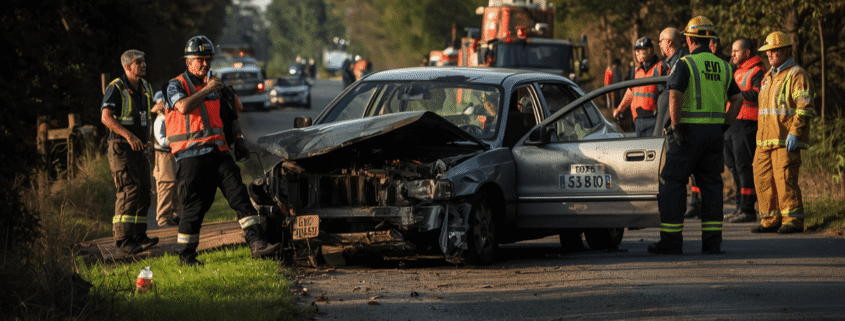
A car accident in Chicago can change your life in a heartbeat. Between the screeching tires on the Dan Ryan Expressway and the sudden impact on a quiet neighborhood street in Lincoln Park, the aftermath is almost always the same: confusion, physical pain, and a mounting pile of medical bills. When you are sidelined by an injury, the insurance companies are already working to protect their bottom line. You need a legal advocate who understands the local courts and has the grit to stand up to powerful insurers.
At Fotopoulos Law Office, we believe that no one should have to pay the price for another driver’s negligence. Whether you were hit by a distracted driver, a speeding commuter, or a commercial vehicle, the path to recovery starts with holding the responsible parties accountable. We don’t just process files; we investigate the details of your crash to build a foundation for the full financial recovery you need to move forward.
The days following a collision are critical. Insurance adjusters may call you offering a quick settlement, hoping you’ll sign away your rights before you realize the true extent of your medical needs. Do not settle for less than what your case is worth. Our team focuses on securing compensation for your immediate ER visits, long-term rehabilitation, lost wages, and the pain and suffering you have endured.
Fotopoulos Law Office Provides Aggressive Representation for Chicago’s Injured
Navigating the Illinois legal system requires more than just knowledge of the law; it requires a relentless commitment to the client. John S. Fotopoulos and his team bring a disciplined, aggressive approach to every car accident claim. We understand that for our clients, this isn’t just a legal case—it’s their health, their family’s stability, and their future.
Why Chicagoans Choose Our Firm:
- Local Insight: We know Chicago’s streets, from the congestion of the Loop to the dangerous intersections of the South Side. This local perspective is vital when reconstructing how an accident occurred.
- Trial-Ready Strategy: While many cases settle out of court, we prepare every claim as if it is headed for a jury. This proactive stance gives us the leverage needed during negotiations.
- Personal Communication: You aren’t a case number here. We pride ourselves on being accessible to our clients, providing clear updates and honest assessments at every stage of the process.
Our Goal is Simple: To alleviate the stress of the legal process so you can focus entirely on your physical recovery. We handle the depositions, the evidence gathering, and the hard-nosed negotiations with the insurance carriers.
The laws surrounding Illinois motor vehicle accidents are complex, involving statutes of limitations and comparative negligence rules. You deserve a representative who can navigate these hurdles with precision. If you or a loved one has been injured on Chicago roads, the time to act is now. Contact Fotopoulos Law Office today for a consultation and take the first step toward the justice you deserve.
What Are The Most Dangerous Intersections For Car Accidents In Chicago?
Chicago faces significant traffic safety challenges at its busy intersections, where high vehicle volumes and complex multi-lane configurations often lead to severe collisions. Recent data highlights that intersection-related crashes in Chicago carry a notably higher risk of injury compared to other urban environments. This overview examines the specific geographic hotspots and the contributing environmental and behavioral factors that make certain Chicago crossings particularly hazardous for drivers, cyclists, and pedestrians alike.
High-Risk Crossings in Chicago
Certain intersections consistently appear on safety reports due to their difficult layouts. Historically, the intersection of Stony Island Avenue and South Chicago Avenue has been ranked as one of the most dangerous. Its complex diagonal geometry creates confusion for drivers, leading to frequent side-impact and rear-end collisions. Other notorious spots include the junction at Western Avenue and 71st Street, as well as the bustling crossing at Cicero Avenue and 127th Street, where heavy commercial traffic and high speeds often converge.
Factors Increasing Crash Severity
Research indicates that intersection-related crashes in Chicago have a statistically significant effect on injury severity. These incidents are much more likely to result in physical harm than non-intersection accidents. Factors such as nighttime conditions and poor visibility further elevate the risk of severe outcomes. In high-conflict settings, improper turning maneuvers and the failure to yield to pedestrians are primary drivers of fatal and severe crashes.
Urban Safety and Modern Challenges
The dense urban environment of Chicago presents unique risks for “vulnerable road users.” Bicyclists and pedestrians are disproportionately affected by driver-related violations at major intersections. Analysis shows that during extreme weather or periods of high congestion, the probability of multi-vehicle collisions at these junctions increases. This is often attributed to shorter following distances, aggressive lane changes, and the high stress of navigating Chicago’s grid during peak hours.
What Should I Do If I Am Involved In A Hit And Run In Chicago?
If you are a victim of a hit and run in Chicago, prioritize your physical safety and stay at the scene. Immediately call 911 to tell them about the incident and request medical help if needed. Document the fleeing vehicle’s details, gather witness contacts, and take photos of the damage.
Ensure Immediate Safety
Your priority is your physical well-being. If the accident happens on a busy Chicago street or a highway like the Dan Ryan, move your vehicle to the shoulder if possible to avoid a secondary collision. Do not attempt to chase the fleeing driver; this can lead to dangerous confrontations or further accidents. Once you are in a safe spot, check yourself and any passengers for injuries.
Gather Evidence and Information
While waiting for the authorities, document everything you can remember about the other vehicle. Note the make, model, color, and any partial license plate numbers. Look for nearby witnesses—pedestrians or other drivers—and ask for their contact information. Use your phone to take photos of the scene, your car’s damage, and any nearby storefronts or intersections that might have surveillance cameras.
Notify Your Insurance Provider
Contact your insurance company quickly to start a claim. Because the other driver is unknown, you will likely rely on your Uninsured Motorist coverage, which is a standard part of Illinois policies. This coverage is designed to help pay for medical expenses and, in some cases, property damage when the at-fault party cannot be identified. Keep all medical receipts and repair estimates to support your claim.
How Long Do I Have To File A Personal Injury Claim In Chicago?
In Chicago, you typically have two years from the date of an injury to file a personal injury lawsuit. However, this deadline drops to just one year if the claim is against a government entity like the City of Chicago or the CTA. Exceptions exist for minors and cases where injuries are discovered later, but missing these strict legal windows generally results in the permanent dismissal of your case.
The Standard Two Year Deadline
In Chicago, the window to file a personal injury claim is generally two years from the date of the accident. This timeframe serves as a strict deadline for seeking legal compensation. While two years may seem like a significant amount of time, it passes quickly when dealing with medical recoveries and insurance negotiations. Missing this deadline almost always results in the permanent loss of your right to sue.
General Personal Injury Cases
For the vast majority of personal injury cases in Chicago—including car accidents, slip and falls, and dog bites—you must file your lawsuit within two years of the date the injury occurred under 735 ILCS 5/13-202. This timeline is established under Illinois law. It is important to note that this deadline applies specifically to filing a lawsuit in court, which is a separate process from simply opening a claim with an insurance company.
Shorter Deadlines for Government Entities
If your injury involves a local public entity, such as the City of Chicago, the CTA, or a county agency, the rules change significantly. Under the Local Governmental and Governmental Employees Tort Immunity Act, specifically 745 ILCS 10/8-101, you have only one year from the date of the accident to file a lawsuit against these bodies or their employees. While the previous six-month pre-suit statutory notice requirement once applicable to Chicago Transit Authority (CTA) injury claims, has been repealed, plaintiffs must still be highly vigilant; filing a formal lawsuit in court within the strict twelve-month deadline remains non-negotiable to protect their right to recovery.
Exceptions for Minors and Discovery
There are rare instances where the clock is paused. For minors under the age of 18, the standard timeline is tolled. Under 735 ILCS 5/13-211, the two-year statute of limitations limit generally does not begin until their eighteenth birthday, meaning a minor has until their 20th birthday to file a personal injury lawsuit. Another exception is the discovery rule, which applies if an injury was not immediately apparent. In these cases, the clock may start when the injury is discovered or reasonably should have been discovered, though there is still an absolute cutoff (statute of repose) that creates a final deadline, particularly for medical malpractice or product liability.
Will My Chicago Car Accident Case Have To Go To Trial?
Most Chicago car accident victims worry about entering a courtroom, but the reality is that the vast majority of personal injury cases—roughly 95%—settle before a trial ever begins. While your attorney will prepare your case as if it is going to court to maintain leverage, most disputes are resolved through direct negotiations or mediation. A trial only becomes necessary if the insurance company refuses to offer a fair and just settlement.
The Reality of Settlements
In Chicago, insurance companies generally prefer to avoid the high costs and unpredictability of a jury trial. Because litigation is expensive for both sides, there is a strong financial incentive to reach an agreement during the discovery phase or through alternative dispute resolution. Your legal team will gather evidence, such as police reports from the Chicago Police Department and medical records, to build a “demand package” that encourages the insurer to pay out without a fight.
Why Some Cases Go to Court
A trial usually occurs only when there is a significant disagreement that cannot be bridged. This typically happens if the insurance company denies liability entirely, claiming you were at fault for the crash. It may also happen if they contest the severity of your injuries or the necessity of your medical treatment. In these instances, having a skilled litigator is vital to present your case before a judge or jury in Cook County.
The Role of Your Attorney
Even though a trial is unlikely, your lawyer must be ready for one. By conducting thorough investigations and hiring expert witnesses, your counsel signals to the insurance provider that they are not afraid to litigate. This preparation often forces the insurer’s hand, leading to a much higher settlement offer. Ultimately, the decision to settle or go to trial rests with you, based on the advice and evidence provided by your legal representative.
Chicago Car Accident Claims FAQ
What is the statute of limitations for car accident claims in Chicago?
In Illinois, under 735 ILCS 5/13-202, the statute of limitations for personal injury claims resulting from a car accident is typically two years from the date of the crash. If you only sustained property damage, you generally have five years to file a lawsuit under 735 ILCS 5/13-205. Missing these strict deadlines usually forfeits your right to seek compensation through the court system, so acting quickly is vital.
How does Illinois’ “modified comparative negligence” rule work?
Illinois follows a modified comparative negligence system established under 735 ILCS 5/2-1116. You can recover damages as long as you are 50% or less at fault for the accident (meaning your share of blame does not exceed 50%). However, your total compensation will be reduced by your percentage of fault. For example, if you are awarded $100,000 but found 20% responsible, you would receive $80,000. If you are found to be 51% or more liable, you are barred from recovery and receive nothing.
What information should I collect at the scene of the accident?
You should exchange names, contact details, and insurance information with all drivers involved. Take clear photos of vehicle damage, license plates, traffic signals, and road conditions. Additionally, gather contact information from any witnesses. This evidence is crucial for building a strong claim, as details often become fuzzy or disputed once the parties leave the scene of the crash.
What damages can I recover in a Chicago car accident claim?
Victims can seek “economic” damages, such as medical bills, lost wages, and vehicle repair costs. You can also pursue “non-economic” damages for pain and suffering, emotional distress, and loss of enjoyment of life. In rare cases involving extreme recklessness, punitive damages might be available. A comprehensive claim ensures both your current financial losses and future needs are fully addressed.
Do I have to speak with the other driver’s insurance company?
You are not legally obligated to give a recorded statement to the other driver’s insurance adjuster. Insurance companies often look for ways to minimize payouts by using your words against you. It is generally safer to decline their request and direct them to your attorney. Anything you say can impact your settlement, so exercise extreme caution during these early communications.
What if the other driver doesn’t have insurance?
If you are hit by an uninsured driver in Chicago, you can file a claim under your own “Uninsured Motorist” (UM) coverage. Illinois law under 215 ILCS 5/143a mandates that all motor vehicle liability policies issued in the state must include uninsured motorist bodily injury protection. This mandatory UM coverage steps in to pay for your medical expenses and damages as if the other driver had been properly insured, protecting you from their financial negligence.
Should I see a doctor even if I feel fine after the crash?
Absolutely. Adrenaline can mask symptoms of serious injuries like whiplash, internal bleeding, or concussions. Seeing a healthcare professional immediately creates a medical record linking your injuries to the accident. If you wait several days or weeks to seek treatment, insurance companies may argue that your injuries were caused by something else or are not as severe as claimed.
Can I still file a claim if the accident was partially my fault?
Yes, you can still file a claim as long as your share of responsibility is 50% or less. Under the state’s modified comparative negligence statute, 735 ILCS 5/2-1116, your settlement will simply be adjusted downward to reflect your share of the blame. If your responsibility reaches 51%, however, you will be barred from recovery. Don’t assume you have no case just because you made a mistake; legal experts can often help prove the other party’s primary liability.
How long does it take to settle a car accident claim in Chicago?
The timeline varies significantly based on the complexity of the case. A simple claim with clear liability might settle in a few months. However, if injuries are severe or fault is contested, it could take a year or longer. It is often best to wait until you have reached “maximum medical improvement” to ensure all medical costs are accurately included.
What is the minimum auto insurance requirement in Illinois?
Illinois law requires drivers to maintain liability insurance coverage under 625 ILCS 5/7-601, which sets minimum limits of “25/50/20” under 625 ILCS 5/7-203: $25,000 for injury or death of one person, $50,000 for total bodily injuries per accident, and $20,000 for property damage. While these are the legal minimums, they are often insufficient for serious accidents. If your damages exceed the at-fault driver’s policy limits, you may need to look for additional sources of recovery, such as your own underinsured motorist (UIM) policy limits.
Why should I hire a local Chicago car accident attorney?
A local attorney understands the specific procedural rules of Cook County courts and the tactics used by local insurance adjusters. They handle the complex paperwork, negotiate with aggressive insurers, and gather expert testimony if needed. Having professional representation levels the playing field, ensuring you aren’t pressured into accepting a lowball settlement that fails to cover your long-term recovery needs.