
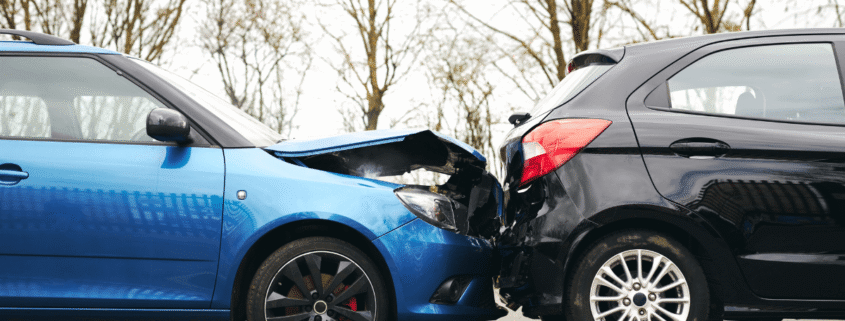
Illinois Car Accident Attorney
Experienced Legal Representation for Victims of Motor Vehicle Crashes in Illinois and Their Families
Have you ever considered the frequency of motor vehicle accidents on our state’s roadways? Car crashes are such a common occurrence in Illinois that often only the most catastrophic events receive attention in the news. However, a collision does not need to be a headline story to fundamentally alter your life. On any given day in Illinois, over 150 individuals sustain injuries in traffic accidents—averaging approximately one injury every nine minutes. This results in more than 60,000 injured victims annually, each facing the daunting task of managing physical, emotional, and financial recovery.
If you have recently sustained injuries in a car crash within the state of Illinois, you may be eligible to seek compensation to assist in rebuilding your life. At Fotopoulos Law Office, we provide the guidance and advocacy necessary throughout every stage of the legal process. We represent car accident victims across Illinois and understand the steps required to seek accountability from those responsible for your injuries. Schedule your free consultation by calling 708-942-8400 today.
How Does Atty. John Fotopoulos’ Background Help Your Car Accident Claim in Illinois?
Attorney John S. Fotopoulos offers a unique background as a retired Cook County judge, offering invaluable insight into judicial decision-making. His accounting degree ensures meticulous financial calculations for maximum damages, while his award-winning commitment to client satisfaction and continuous legal research guarantees a high-caliber, data-driven defense for Illinois car accident victims.
The Judicial Perspective: Thinking Like the Bench
Perhaps the most significant asset John Fotopoulos brings to a car accident claim is his experience as a retired judge of the Circuit Court of Cook County. Most personal injury attorneys understand how to argue a case, but very few understand how a case is viewed from the “other side” of the bench.
Because he has presided over legal matters, John understands the nuances of judicial decision-making. He knows what evidence a judge finds most compelling, how to anticipate procedural hurdles, and how to frame arguments that resonate with the court. This “judicial lens” allows him to build car accident claims that are not just legally sound, but strategically bulletproof.
A Foundation in Financial Precision
Before earning his J.D. from the John Marshall Law School in 2000, John earned a B.S. in Accounting from the University of Illinois, Chicago. In a car accident claim, the ability to calculate damages accurately is vital. From medical expenses and lost wages to future rehabilitative costs, John’s background in accounting ensures that no financial detail is overlooked. He applies a meticulous, data-driven approach to ensure his clients receive a settlement or verdict that truly reflects their long-term needs.
Commitment to Growth and Competency
John Fotopoulos operates on the principle that “stagnancy creates an environment not conducive to growth.” He dedicates countless hours to legal research and continuing education seminars to stay ahead of the competition. For a car accident victim, this means your counsel is always up-to-date on the latest Illinois traffic laws, insurance regulations, and litigation techniques.
Award-Winning Client Satisfaction
While legal expertise is mandatory, the human element of a case is equally important. John has been recognized with multiple “10 Best Client Satisfaction” awards from the American Institute of Personal Injury Attorneys and holds an Avvo 10.0 Rating. His firm was founded on the principles of affordability and availability, ensuring that clients have constant access to their legal counsel during stressful times.
By combining the wisdom of a retired judge, the precision of an accountant, and the tenacity of an elite trial lawyer, John S. Fotopoulos ensures that your car accident claim is handled with the highest level of competency and care.
What Makes Illinois Roads So Dangerous?
Illinois’ status as a national transportation hub creates a perfect storm of roadway hazards. Severe congestion on Chicagoland interstates, heavy commercial truck traffic on major freight corridors, and deteriorating infrastructure contribute to high accident rates. Coupled with unpredictable weather patterns like lake-effect snow and black ice, the state’s geography demands extreme vigilance from every driver navigating our local highways.
1. The Congestion of the “Chicagoland” Interstates
In the northeastern corner of the state, sheer traffic volume is a primary hazard. The Dan Ryan Expressway (I-90/94) and the Stevenson Expressway (I-55) are legendary for their congestion, but they are also magnets for high-speed collisions. With nearly 300,000 vehicles traversing the Dan Ryan daily, the margin for error is razor-thin. Frequent lane changes near the Jane Byrne Interchange—one of the busiest bottlenecks in the nation—often lead to side-impact and rear-end crashes as drivers scramble to navigate complex merges.
2. Heavy Commercial Truck Traffic
Illinois ranks third in the nation for total interstate miles, trailing only Texas and California. Because we sit at the crossroads of America, our highways are flooded with semi-trucks. Corridors like I-80 near Joliet and I-57 through the central part of the state are critical freight routes. The weight and size of these commercial vehicles mean that even a minor lapse in judgment near Springfield or Peoria can result in a catastrophic multi-vehicle pileup.
3. Crumbling Infrastructure and Construction Zones
Recent data indicates that a significant percentage of Illinois roads and bridges are in “poor” or “fair” condition. Potholes are a fact of life from Rockford to East St. Louis, often causing tire blowouts or forcing drivers to swerve into adjacent lanes. Furthermore, the constant cycle of “Orange Barrel Season” creates its own dangers. Construction zones on I-294 or the Elgin-O’Hare Tollway involve narrowed lanes and sudden speed limit changes that frequently catch distracted drivers off guard.
4. The Unpredictable Prairie Weather
Finally, our geography makes us vulnerable to “lake-effect” snow in the north and sudden “black ice” across the central plains. High winds on open stretches near Bloomington or Champaign can cause high-profile vehicles to drift, while whiteout conditions can turn a routine commute into a survival situation in minutes.
Navigating the roads between the Sears Tower and the Gateway Arch requires more than just luck; it requires an awareness of these localized risks. When the unexpected happens on our state’s highways, the consequences are often life-altering.
Common Factors That Contribute to Car Crashes in Illinois
Car crashes in Illinois are primarily driven by reckless behaviors like speeding, aggressive driving, and DUI, which severely impair reaction times. Distractions, including cell phone use and passenger interaction, further elevate risks. Additionally, driver fatigue, inexperience, and mechanical failures from poor maintenance contribute to accidents. Victims of such negligence may seek legal compensation for their injuries.
| Contributing Factor | Description & Impact | Key Risks & Consequences |
| Speeding & Aggressive Driving | Exceeding limits, tailgating, unsafe lane changes, and road rage. | Reduced reaction time; difficulty maintaining control during emergencies. |
| Driving Under the Influence | Operating a vehicle while impaired by alcohol or drugs. | Diminished coordination; slower reaction times; clouded judgment. |
| Cell Phone Use & Texting | Reading/sending messages or being preoccupied with phone conversations. | Sharp rise in collision risk; vehicle travels significant distances while driver is distracted. |
| General Distracted Driving | Activities like eating, adjusting controls, or interacting with passengers. | Diverted focus from the primary task of driving; creates hazardous environments. |
| Fatigue & Inexperience | Tiredness or lack of technical ability/judgment in new drivers. | Delayed response times; poor decision-making; inability to navigate complex traffic. |
| Equipment Failures | Defective components like brakes or tires and neglected maintenance. | Loss of vehicle control; increased likelihood of mechanical failure leading to accidents. |
Common Categories of Car Crashes in Illinois
Car accidents manifest in several ways, each carrying specific risks. The following are common types of collisions addressed by our firm:
- Rear-End Collisions: Often the result of following too closely or distracted driving, these can cause significant soft-tissue injuries even at lower speeds.
- Sideswipe Accidents: These frequently occur during lane changes on Illinois highways and can lead to secondary collisions if a driver loses control.
- Side-Impact (T-Bone) Crashes: These are particularly dangerous because the sides of vehicles offer less protection than the front or rear. They often occur at intersections.
- Head-On Collisions: While less frequent, these are often the most severe due to the combined force of both vehicles.
- Rollover Accidents: Often involving vehicles with a higher center of gravity, these crashes can result in catastrophic injuries.
- Multi-Vehicle Accidents: These “pileups” involve three or more cars and present complex questions regarding liability and fault.
What Compensation Can You Recover After a Car Accident in Illinois?
If you have been involved in a motor vehicle accident in Illinois, the financial and physical toll can be overwhelming. Under Illinois law, accident victims are entitled to seek “damages”—a legal term for financial compensation—to cover the losses they sustained due to someone else’s negligence. These damages are generally split into two main categories: economic and non-economic.
Economic Damages: The Tangible Costs
Economic damages are the measurable, out-of-pocket expenses resulting from the accident. Because these losses usually come with receipts or invoices, they are often the easiest to calculate and prove.
Medical Expenses
This includes your immediate emergency room visit, ambulance fees, hospital stays, surgeries, and medication. It also covers future costs, such as physical therapy, specialized equipment (like crutches or wheelchairs), and any ongoing treatments required for chronic pain or permanent disability.
Lost Wages
If your injuries forced you to miss work, you can recover the income you lost during that time. This doesn’t just apply to your base salary; it can also include missed bonuses, commissions, and used-up sick or vacation leave.
Loss of Earning Capacity
If the accident resulted in a permanent disability that prevents you from returning to your previous job or working at all, you may be compensated for the “future” money you would have earned over your lifetime.
Property Damage
You are entitled to the cost of repairing or replacing your vehicle. This also includes personal property that was inside the car and destroyed during the crash, such as laptops, cell phones, or expensive child car seats.
Non-Economic Damages: The Intangible Impact
Not every loss has a price tag attached to it. Non-economic damages compensate you for the physical and emotional toll the accident has taken on your life.
Pain and Suffering
This compensates you for the actual physical pain you endured at the time of the crash and during your recovery. In Illinois, attorneys often use a “multiplier” (usually between 1.5 and 5 times your economic damages) to estimate this value.
Emotional Distress
Many victims suffer from anxiety, depression, insomnia, or Post-Traumatic Stress Disorder (PTSD) after a serious collision. Illinois law recognizes these mental health struggles as compensable losses.
Loss of Normal Life
This refers to the temporary or permanent inability to enjoy the activities you used to love, such as playing with your children, participating in sports, or engaging in hobbies.
Disfigurement
If the accident or subsequent surgeries left you with permanent scarring or loss of a limb, you can seek specific compensation for the impact this has on your life and self-image.
The “51% Rule” in Illinois
Illinois follows a legal doctrine known as Modified Comparative Negligence (735 ILCS 5/2-1116). This is a crucial rule because it can directly reduce your compensation based on your level of responsibility for the crash.
- Shared Fault: You can still recover damages even if you were partially at fault—provided you are not more than 50% responsible. Your final award is reduced by your percentage of fault. For example, if you are awarded $100,000 but were 20% at fault, you would receive $80,000.
- The Bar to Recovery: If you are found to be 51% or more at fault, you are legally barred from recovering any compensation at all from the other party.
Deadlines for Filing a Claim
In Illinois, you must be mindful of the Statute of Limitations. For most personal injury claims resulting from a car accident, you have two years from the date of the accident to file a lawsuit. For property damage only, the limit is generally five years.
Missing these deadlines usually means you lose your right to seek compensation forever. Because insurance companies often try to delay negotiations until these deadlines pass, it is vital to begin the documentation process as soon as possible.
Mistakes to Avoid Following a Collision in Illinois
To protect your right to seek compensation under Illinois’ “modified comparative negligence” system, it is vital to avoid these common pitfalls:
- Delaying Medical Treatment: Illinois insurance adjusters often use a gap in care to argue your injuries weren’t caused by the crash. Seeking immediate evaluation—whether at a local ER or an urgent care—creates a critical paper trail for your claim.
- Admitting Fault at the Scene: While Illinois law requires you to remain at the scene and exchange information, avoid saying “I’m sorry” or “I didn’t see you.” Stick to the facts when the responding officer compiles the Illinois Traffic Crash Report.
- Posting on Social Media: Illinois is a “discovery” friendly state; insurance defense teams actively monitor profiles. A photo of you at a Chicago street fest or a local park can be used to argue your injuries aren’t as debilitating as you claim.
- Signing Early Settlement Offers: Insurance companies may rush to offer a “quick check” to settle before the full extent of your medical needs is known. In Illinois, once you sign a release, you generally waive all future rights to pursue additional compensation.
- Providing Recorded Statements: You are under no legal obligation to give a recorded statement to the other driver’s insurer. These statements are often designed to trip you up; it is standard practice to consult with a lawyer before recorded interviews.
Contact an Illinois Car Accident Attorney for a Free Consultation
If you or a loved one has been injured in a motor vehicle crash, contact our office to discuss your situation. We offer a free consultation and case evaluation to help you understand your legal options. Our firm is dedicated to serving clients throughout the state of Illinois.
Schedule your free consultation by calling 708-942-8400 today. Let us help you navigate the path to recovery.
Frequently Asked Questions: Illinois Car Accident Claims
1. What is the “51% Rule” in Illinois?
Illinois follows a legal doctrine known as “Modified Comparative Negligence.” This means you can still recover compensation even if you were partially at fault for the crash, provided your responsibility does not exceed 50%. However, your total financial award is reduced by your exact percentage of fault. If you are found 51% or more responsible, you are legally barred from any recovery.
2. What are economic damages in a car accident claim?
Economic damages represent the measurable, out-of-pocket costs resulting from your accident. These typically include immediate medical bills, future rehabilitative costs, and lost wages from missed work. They also cover diminished earning capacity if you suffer a permanent disability, along with the specific costs required to repair or replace your vehicle and any personal property destroyed inside the car during the initial collision.
3. What are non-economic damages?
Non-economic damages compensate victims for the intangible physical and emotional toll an accident takes on their life. This category includes compensation for actual physical pain and suffering, emotional distress such as PTSD or anxiety, and “loss of normal life,” which addresses the inability to enjoy former hobbies. It also covers specific compensation for permanent scarring, disfigurement, or the loss of a limb.
4. How long do I have to file a lawsuit in Illinois?
For most personal injury claims arising from a motor vehicle accident, the Statute of Limitations in Illinois is two years from the exact date of the collision. If you are only seeking compensation for property damage, the limit is generally five years. Missing these strict legal deadlines usually means you lose your right to pursue a claim or seek any compensation forever.
5. Why are Illinois roads considered particularly dangerous?
Illinois serves as a national transportation hub, leading to heavy congestion on Chicagoland interstates like the Dan Ryan. Hazards include high volumes of commercial semi-trucks on freight corridors, crumbling infrastructure causing dangerous potholes, and unpredictable “lake-effect” snow or black ice. Constant construction zones on major tollways also introduce narrow lanes and sudden speed limit changes that frequently catch many distracted drivers off guard.
6. What are the most common causes of car accidents in the state?
Most Illinois crashes are driven by reckless behaviors like speeding, aggressive driving, and DUI, which severely impair a driver’s reaction time. Distractions, specifically cell phone use and texting, are also major contributors. Other significant factors include driver fatigue, a lack of experience in younger drivers, and mechanical failures—such as brake or tire issues—resulting from poor vehicle maintenance or manufacturer defects.
7. What should I avoid doing after a collision?
To protect your legal rights, avoid admitting fault or making apologetic statements to the police or other drivers. Never delay seeking medical treatment, as insurance adjusters may use gaps in care to suggest your injuries were not serious. Do not provide recorded statements to the other driver’s insurance company without counsel, and avoid posting on social media, as adjusters often monitor accounts.
8. What are the most dangerous types of collisions?
T-Bone (side-impact) crashes are particularly dangerous because vehicle sides offer less structural protection than the front or rear. Head-on collisions are often the most lethal due to the combined force of both moving vehicles. Rollover accidents frequently cause catastrophic injuries, while multi-vehicle “pileups” present complex liability questions. Even low-speed rear-end collisions can cause lasting soft-tissue injuries that require extensive medical care.
9. Can I seek compensation for future medical needs?
Yes. Under Illinois law, you are entitled to seek compensation for anticipated future treatments necessitated by your accident injuries. This includes costs for ongoing physical therapy, future surgeries, specialized medical equipment like wheelchairs, and chronic pain management. These long-term financial needs are carefully projected as part of your total damages to ensure your recovery is fully funded throughout your entire lifetime.