
Orland Park Head-On Collision Lawyers
A head-on collision is one of the most violent and terrifying events that can occur on the road. The sudden, brutal force of two vehicles colliding front-to-front often results in catastrophic damage and life-altering injuries. These incidents, frequently occurring on the busy roads of Orland Park and throughout Cook County, leave victims and their families facing immense physical, emotional, and financial turmoil. The path to recovery is often long and complicated, made more difficult by the complex legal questions that immediately arise.
When a frontal impact crash shatters your life, determining fault and navigating the subsequent legal claim is not a straightforward process.
The Devastating Reality of Head-On Collisions
Frontal impact crashes are exceptionally dangerous due to the physics involved. When two vehicles traveling in opposite directions collide, their speeds combine to create a massive, destructive force. For example, if two cars, each traveling at 40 miles per hour, collide head-on, the force of the impact is similar to one car hitting a stationary wall at 80 miles per hour. This immense energy transfer is what leads to severe vehicle intrusion, extensive property damage, and a high likelihood of catastrophic injuries or fatalities for the occupants.
Unlike other types of accidents where the force might be deflected, a direct head-on crash absorbs the full brunt of the impact, often leaving little to no time for drivers or passengers to brace themselves. This sudden and violent deceleration is what makes these wrecks so perilous.
What Are the Most Common Causes of Head-On Crashes in Orland Park?
Nearly all head-on collisions are preventable and stem from some form of negligence. A driver crossing the centerline into oncoming traffic is a clear violation of their duty to operate their vehicle safely. The reasons for such a critical error can vary, but they often fall into several distinct categories.
Driver Error and Negligence
This is the most frequent cause of wrong-way accidents. A driver’s poor judgment or reckless behavior can have tragic consequences. Common examples include:
- Distracted Driving: Texting, talking on the phone, adjusting the GPS, or any other activity that takes a driver’s attention off the road can cause them to drift into an opposing lane.
- Driving Under the Influence (DUI): Impairment from alcohol or drugs severely affects a driver’s judgment, coordination, and ability to stay in their lane.
- Drowsy Driving or Fatigue: A driver who is exhausted can fall asleep at the wheel or experience microsleeps, leading to a complete loss of vehicle control.
- Reckless or Aggressive Driving: Excessive speeding, attempting to pass another vehicle in a no-passing zone, or taking a curve too quickly can cause a driver to lose control and cross into oncoming traffic.
- Driver Inexperience: A new or young driver may misjudge a situation, panic, or overcorrect their steering, leading to a frontal impact.
External and Environmental Factors
Sometimes, conditions outside of the driver’s immediate control contribute to a head-on wreck.
- Poor Weather Conditions: Rain, snow, ice, or fog can reduce visibility and traction, making it easier for a vehicle to skid or slide into another lane.
- Hazardous Road Conditions: Poorly maintained roads with large potholes, debris, or unmarked lanes can cause a driver to swerve unexpectedly. Poor road design or lack of proper signage can also lead to driver confusion.
- Medical Emergencies: A driver who suffers a sudden medical event, such as a heart attack, seizure, or stroke, can lose consciousness and control of their vehicle.
Vehicle Defects and Malfunctions
In some cases, the vehicle itself is to blame.
- Tire Blowout: A sudden tire failure can cause a driver to lose control and veer sharply into the path of other cars.
- Brake Failure: Defective or poorly maintained brakes may fail to stop a vehicle in time, contributing to a collision.
- Steering or Suspension Failure: A mechanical failure in the steering or suspension system can make it impossible for a driver to control the vehicle’s direction.
Catastrophic Injuries Resulting from Frontal Impacts
Frontal impacts, commonly referred to as head-on collisions, represent the most dangerous category of motor vehicle accidents. The physics of these collisions involve two vehicles moving toward one another, meaning the force of the impact is the product of their combined speeds. This massive release of kinetic energy often exceeds the safety ratings and structural integrity of modern vehicles, leading to devastating consequences for the occupants. Because the force is directed into the front of the vehicle—where the engine block and dashboard are located—the risk of intrusion into the passenger cabin is high, often resulting in injuries that are life-altering or fatal.
The following sections detail the specific catastrophic injuries that frequently arise from these high-velocity events.
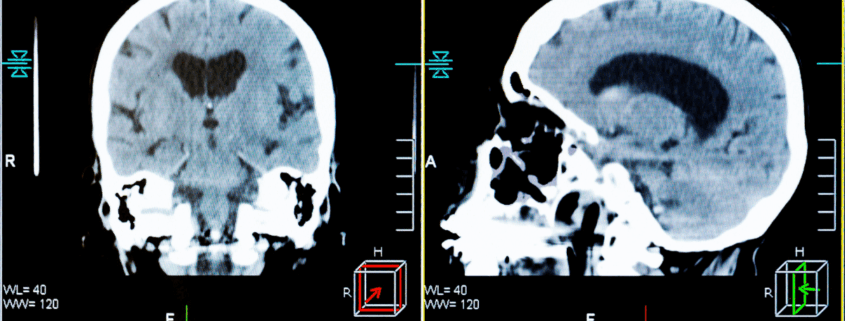
Traumatic Brain Injuries (TBI)
In a frontal impact, the head is often subjected to sudden deceleration or direct contact with the steering wheel, window, or a deploying airbag. Even without a direct strike to the skull, the brain can undergo a “coup-contrecoup” injury, where it slams against the front and back of the internal skull wall. This can lead to diffuse axonal injury, which is a tearing of the brain’s long connecting nerve fibers.
The resulting damage can range from moderate concussions to permanent vegetative states. Victims of TBI may face a lifetime of cognitive impairment, loss of motor function, and drastic changes in personality. These injuries are often “invisible,” as the external wounds may heal while the internal neurological damage continues to prevent the victim from returning to their former life or occupation.
Spinal Cord Injuries (SCI)
The violent whipping motion of the neck and torso during a head-on collision puts immense pressure on the spinal column. Vertebrae may fracture or dislocate, causing compression or severance of the spinal cord. Depending on the location of the injury, victims may suffer from paraplegia (paralysis of the lower limbs) or quadriplegia (paralysis from the neck down).
These injuries are almost always permanent and necessitate significant changes to the victim’s environment, including the need for home modifications, around-the-clock nursing care, and expensive mobility equipment. Beyond the loss of movement, SCI patients are also at risk for secondary complications such as respiratory issues and autonomic dysreflexia.
Complex Orthopedic Trauma and Multiple Fractures
Frontal collisions often result in “crush injuries” when the front of the car collapses inward. The legs and pelvis are particularly vulnerable as the engine and dashboard are pushed into the footwell. These are not simple breaks; they are often comminuted fractures, where the bone is shattered into several pieces, or compound fractures, where the bone breaks through the skin.
Recovery typically involves multiple reconstructive surgeries utilizing metal plates, rods, and screws. Even after successful surgery, victims may suffer from chronic pain, limited range of motion, and early-onset arthritis, which may eventually necessitate joint replacements.
Internal Organ Damage and Hemorrhaging
The blunt force trauma of a frontal collision can cause the internal organs to collide with the rib cage or the seatbelt. While seatbelts save lives, the sheer force of a high-speed stop can cause “seatbelt syndrome,” leading to lacerations of the liver, spleen, or kidneys. In some cases, the impact can cause a traumatic aortic rupture, which is frequently fatal before the victim reaches the hospital. Internal bleeding is a “silent killer” in these accidents, as symptoms may not appear immediately but can lead to rapid organ failure and death.
Facial Disfigurement and Sensory Loss
Despite advancements in airbag technology, the force of a frontal impact often causes the face to strike the steering column or shattered glass. This results in deep lacerations, broken orbital sockets, and dental trauma. Permanent scarring and disfigurement can lead to profound psychological distress and social withdrawal. Furthermore, damage to the facial nerves or the eyes can result in a permanent loss of sight, hearing, or the ability to communicate clearly.
Who Can Be Held Liable for a Head-On Collision in Illinois?
Identifying the responsible party is a critical first step in pursuing compensation following a head-on collision. These accidents are among the most devastating on Illinois roadways, often resulting in catastrophic injuries or wrongful death. While the driver who crossed the centerline is often the primary at-fault party, a thorough investigation may reveal that other entities also share responsibility under Illinois law.
The Other Driver: Negligence and the Duty of Care
The operator of the vehicle who negligently crossed into your lane is the most obvious defendant. In Illinois, “negligence” is the failure to exercise the degree of care that a reasonably prudent person would use under similar circumstances. In a head-on collision, this often involves a violation of the Illinois Vehicle Code, such as:
- Distracted Driving: Using a mobile device or failing to pay attention to the road.
- Impaired Driving: Operating under the influence of alcohol or drugs.
- Fatigue: Falling asleep at the wheel is a common factor in late-night or highway collisions.
- Speeding: Losing control of the vehicle due to excessive speed for the road conditions.
Illinois follows a modified comparative negligence system (735 ILCS 5/2-1116). This means that a plaintiff can recover damages as long as they are not more than 50% at fault for the accident. However, their recovery will be reduced by their percentage of fault. For example, if a jury determines you were 10% at fault because you failed to take evasive action, your $100,000 award would be reduced to $90,000.
An Employer: Vicarious Liability
If the at-fault driver was operating a commercial vehicle—such as a semi-truck, delivery van, or company car—and was “within the scope of their employment” at the time of the crash, their employer may be held liable under the legal doctrine of respondeat superior (vicarious liability).
Beyond vicarious liability, the employer may be directly liable for:
- Negligent Hiring: Failing to conduct a proper background check on a driver with a history of DUIs or reckless driving.
- Negligent Training/Supervision: Failing to ensure the driver understood safety protocols.
- Hours of Service Violations: Pressuring truck drivers to exceed federal driving limits, leading to dangerous levels of fatigue.
A Vehicle Manufacturer: Product Liability
If the accident was caused by a mechanical failure rather than human error, the manufacturer of the vehicle or a specific component part could be held liable under product liability law. Common defects that lead to head-on collisions include:
- Faulty Braking Systems: Preventing a driver from stopping in time.
- Steering Failures: Causing a vehicle to veer suddenly into oncoming traffic.
- Tire Blowouts: Resulting from manufacturing defects rather than wear and tear.
In these cases, Illinois law allows for “strict liability,” meaning you do not necessarily have to prove the manufacturer was “careless”—only that the product was inherently dangerous or defective when it left their control.
A Government Entity: Roadway Maintenance and Design
If poor road design, inadequate maintenance, or a lack of proper warning signs contributed to the collision, a government entity might be at fault. Examples include:
- Faded Centerlines: Making it difficult for drivers to distinguish lanes at night.
- Poor Lighting: Obscuring a curve in the road.
- Lack of Guardrails: Failing to prevent a car from crossing a median.
Filing a claim against a government body (city, county, or the State of Illinois) is complex. These cases are governed by the Local Governmental and Governmental Employees Tort Immunity Act, which provides various protections to public entities. Furthermore, the statute of limitations for filing a lawsuit against a local government entity is typically shorter (one year) than the standard two-year limit for personal injury in Illinois.
A Bar or Restaurant: The Dram Shop Act
Under the Illinois Liquor Control Act (commonly known as the Dram Shop Act), an establishment that sold or gave alcohol to a person who then caused a DUI accident can be held liable. Unlike many other states, Illinois does not require you to prove that the bar served a “visibly intoxicated” person; you only need to prove:
- The establishment sold alcohol to the person.
- The alcohol contributed to the person’s intoxication.
- The intoxication was a proximate cause of the head-on collision.
It is important to note that Dram Shop claims have a very strict one-year statute of limitations and are subject to statutory “caps” on the amount of damages a plaintiff can recover, which are adjusted annually for inflation.
The Role of Illinois’s Modified Comparative Negligence Rule
Illinois follows a legal doctrine known as modified comparative negligence. This rule determines how compensation is awarded when more than one party is found to be at fault for an accident.
Under this rule, you can still recover damages as long as you are determined to be 50% or less at fault for the accident. However, your total compensation award will be reduced by your percentage of fault. For example, if you are awarded $100,000 in damages but are found to be 10% at fault, your final award will be reduced by 10% to $90,000. If you are found to be 51% or more at fault, you are barred from recovering any compensation at all. Insurance companies for the other driver will often try to shift as much blame as possible onto you to reduce or eliminate their payout, making skilled legal representation essential.
What Compensation Can Victims Recover After a Head-On Accident in Illinois?
Head-on collisions are among the most devastating types of motor vehicle accidents on Illinois roadways. Because these crashes involve the combined velocity of two vehicles traveling in opposite directions, the resulting impact is often catastrophic. For survivors, the road to recovery is frequently paved with significant financial, physical, and psychological hurdles.
In Illinois, the legal system provides a framework for victims to pursue financial recovery from the parties responsible for their injuries. Understanding the full scope of available compensation is essential for ensuring that a victim’s current and future needs are met. This recovery is typically divided into three primary categories: economic damages, non-economic damages, and, in specific circumstances, punitive damages.
The Foundation of Recovery: Modified Comparative Negligence
Before delving into the specific types of compensation, it is vital to understand how Illinois law determines eligibility for these damages. Illinois follows a “modified comparative negligence” rule. Under this standard, a victim can recover damages as long as they are found to be 50% or less at fault for the accident. However, the total compensation awarded will be reduced by the percentage of the victim’s own fault. If a victim is found to be 51% or more responsible for the head-on collision, they are barred from recovering any compensation from the other party. This makes the collection of evidence and the clear establishment of liability a critical component of any legal action.
Economic Damages: Quantifying Financial Loss
Economic damages are intended to reimburse the victim for the “out-of-pocket” expenses and objective financial losses resulting from the crash. These are typically calculated using bills, receipts, and employment records.
- Comprehensive Medical Expenses
Head-on collisions often result in traumatic brain injuries, spinal cord damage, internal organ failure, and multiple fractures. Compensation for medical care is not limited to the immediate aftermath of the crash. It includes:
- Emergency Intervention: The cost of ambulance transport, airlifting, and emergency room stabilization.
- Hospitalization and Surgery: Expenses related to inpatient stays, surgical procedures, and anesthesia.
- Rehabilitative Care: Long-term costs for physical therapy, occupational therapy, and speech therapy, which are often necessary to regain basic functions.
- Future Medical Needs: If an injury requires ongoing care, victims can seek compensation for projected future surgeries, medication, and medical devices.
- In-Home Care: For those who suffer permanent disabilities, the cost of professional caregivers or modifications to a home (such as ramps or widened doorways) is compensable.
- Lost Wages and Benefits
When a victim is sidelined by their injuries, the loss of a steady paycheck can be as stressful as the physical pain itself. Illinois law allows victims to recover the income they lost from the date of the accident until they are cleared to return to work. This includes not just base salary, but also lost bonuses, commissions, and used vacation or sick leave.
- Loss of Earning Capacity
In many head-on accidents, the injuries are so severe that the victim can never return to their previous line of work, or perhaps cannot work at all. Compensation for the loss of future earning capacity accounts for the difference between what the victim could have earned over their lifetime had the accident not occurred and what they are now capable of earning in their injured state.
- Property Damage
The force of a head-on collision almost always results in the total loss of the vehicles involved. Victims are entitled to the fair market value of their vehicle or the total cost of repairs. Additionally, any personal property inside the vehicle that was destroyed—such as laptops, cell phones, or child car seats—can be included in the claim.
Non-Economic Damages: The Personal Toll
While economic damages address the financial ledger, non-economic damages address the human experience of the accident. These are subjective losses that do not have an inherent price tag but are no less real to the victim.
- Pain and Suffering
This is perhaps the most well-known category of non-economic damages. It compensates the victim for the actual physical pain endured during the crash and throughout the recovery process. In Illinois, juries consider the severity of the injury, the duration of the pain, and the impact on the victim’s daily life when determining an appropriate amount.
- Emotional Distress and Mental Anguish
The trauma of a head-on collision can leave deep psychological scars. Many victims suffer from Post-Traumatic Stress Disorder (PTSD), anxiety, depression, and sleep disturbances. Compensation for emotional distress acknowledges the psychological burden of the event and the ongoing struggle to regain mental well-being.
- Loss of Enjoyment of Life
When an accident prevents a person from engaging in the activities that give their life meaning—such as playing with their children, participating in sports, or pursuing hobbies—they may be compensated for the “loss of enjoyment of life.” This seeks to quantify the reduction in the victim’s quality of life.
- Disfigurement and Scarring
The catastrophic nature of head-on impacts often leads to permanent scarring or the loss of a limb. Illinois law recognizes that disfigurement carries both physical discomfort and significant emotional weight, particularly regarding self-esteem and social interaction. Damages in this category are specifically earmarked for these permanent physical changes.
Punitive Damages: Addressing Extreme Misconduct
Unlike economic and non-economic damages, which are compensatory in nature, punitive damages are intended to punish the defendant. In Illinois, these are not available in every case. To recover punitive damages, a victim must demonstrate that the defendant acted with “fraud, actual malice, deliberate violence or oppression, or such gross negligence as to indicate a wanton disregard for the rights of others.”
Common scenarios in which punitive damages might be considered following a head-on collision include:
- DUI Accidents: When a driver chooses to operate a vehicle while significantly impaired by alcohol or drugs.
- Excessive Speeding/Racing: When a driver’s speed is so high that a collision becomes a near-certainty.
- Wrong-Way Driving: Intentional or wildly reckless entry into opposing lanes of traffic.
The Importance of a Thorough Investigation in a Head-On Crash Case
Building a strong claim requires a swift and comprehensive investigation. Evidence can be lost or degraded over time, so it is vital to act quickly. A dedicated legal team will immediately take steps to preserve all relevant evidence and uncover the facts.
This investigation typically involves:
- Collecting and analyzing the official police report.
- Interviewing eyewitnesses and first responders.
- Securing any available traffic camera, dashcam, or surveillance footage.
- Retrieving data from the vehicles’ “black boxes,” which record information about speed, braking, and steering in the moments before impact.
- Working with accident reconstruction specialists to scientifically determine how the crash occurred.
- Examining the at-fault driver’s history, including their driving record and any history of substance abuse.
- Reviewing your medical records to fully document the extent of your injuries.
What Steps Should You Take Immediately After a Head-On Collision?
The aftermath of a crash is chaotic and overwhelming. If you are involved in a head-on collision, taking the following steps can help protect your health and your legal rights.
- Seek Immediate Medical Attention: Your health is the top priority. Call 911 and accept medical treatment at the scene. Even if you think you are not seriously hurt, some injuries may not be immediately apparent.
- Report the Accident to the Police: An official police report is a key piece of evidence. Provide the responding officers with a factual account of what happened, but do not speculate or admit fault.
- Document the Scene: If you are physically able, take pictures and videos of the accident scene from multiple angles. Capture the vehicle damage, skid marks, road conditions, and any relevant signs or signals.
- Gather Information: Get the names, contact information, and insurance details of all other drivers involved. Also, get the contact information of any witnesses.
- Avoid Admitting Fault: Do not apologize or say anything that could be interpreted as an admission of fault to anyone at the scene.
- Do Not Speak with Insurance Adjusters: You will likely be contacted by the other driver’s insurance company. Politely decline to give a recorded statement and direct them to your attorney.
- Contact an Experienced Attorney: The sooner you seek legal counsel, the better. An attorney can immediately start protecting your rights and preserving critical evidence.
Dealing with Insurance Companies After a Severe Wreck
Insurance adjusters are trained negotiators whose goal is to protect their company’s bottom line by minimizing or denying claims. They may seem friendly and helpful, but they are not on your side. They might ask for a recorded statement, hoping you will say something that undermines your claim, or they may offer a quick, lowball settlement that does not come close to covering the full extent of your long-term damages. It is best to let your attorney handle all communications with insurance companies to ensure your rights are protected.
Illinois Statute of Limitations for Car Accident Claims
In Illinois, there are strict deadlines for filing a personal injury lawsuit. This time limit is known as the statute of limitations. For most car accident cases, you have two years from the date of the injury to file a lawsuit. If you fail to file within this period, you will likely lose your right to seek compensation forever.
There is an important exception if a government entity is a potential defendant. In that case, the notice requirements are much shorter, sometimes as little as one year. Because of these strict deadlines, it is vital to speak with an attorney as soon as possible after an accident.
Contact Our Orland Park Head-On Collision Attorneys Today
A head-on collision can inflict a lifetime of damage in a single moment. Navigating the legal system while trying to recover from severe injuries is an overwhelming task. You need a dedicated advocate who can fight for your interests and handle the legal complexities on your behalf.
The legal team at Fotopoulos Law Office is committed to helping victims of catastrophic accidents in Orland Park and throughout Illinois. We have the resources and determination to hold negligent parties accountable and pursue the maximum compensation you need for your medical care, lost income, and personal suffering.
Call us today at 708-942-8400 or fill out our online contact form to schedule a free, no-obligation consultation. Let us provide the support and guidance you need to move forward.