
Who is at Fault in a Highway On-Ramp Collision?
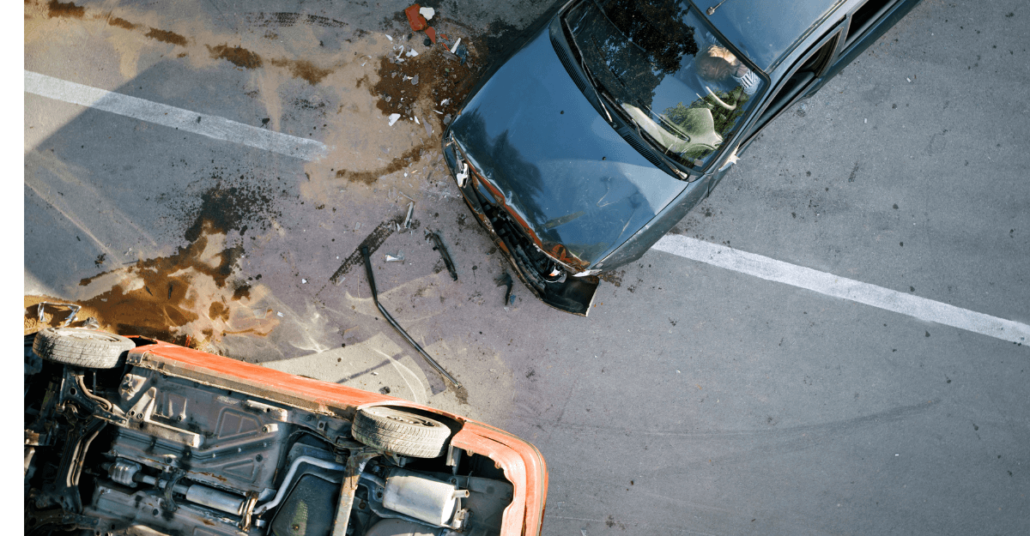
Highway on-ramp collisions are a significant concern in Orland Park, IL, given the severity and frequency of these incidents. As vehicles attempt to merge onto busy highways, the potential for highway on-ramp collisions increase, often resulting in severe injuries and extensive property damage. The nature of these collisions requires a careful approach to determining who is at fault, as multiple factors can influence the outcome.
In Orland Park, the busy roadways and proximity to major highways contribute to a higher incidence of highway on-ramp collisions. Highway off-ramp collisions also pose similar risks, adding complexity to traffic flow and increasing the likelihood of driver error. Understanding both the mechanics of merging and the legal responsibilities involved is essential for navigating these situations.
For those affected by highway on-ramp collisions in Chicago, it is important to speak with an experienced attorney, so you fully understand your legal rights and options. If you suffered an injury (from a ramp-related crash) and it was someone else’s fault, you may be entitled to significant compensation. A reputable car accident attorney will be able to help you make the most informed decision on how you wish to proceed.
Understanding Highway On-Ramp Collisions
Highway on-ramp collisions, often referred to as merging crashes, occur when vehicles entering a highway from an on-ramp fail to integrate safely with the existing traffic flow. These incidents highlight the critical balance between the responsibilities of the merging vehicle and the expectations placed on highway traffic.
Merging Responsibilities vs. Highway Traffic Expectations
- Merging Vehicle’s Responsibilities
Drivers entering the highway must prioritize yielding to ongoing traffic. This involves proper signaling, checking blind spots, and matching the speed of highway vehicles to merge seamlessly.
- Highway Traffic Expectations
Vehicles already on the highway are expected to maintain a consistent speed and exercise due care. While they have the right-of-way, they should not intentionally block merging vehicles, requiring a cooperative approach for safe integration.
Relevant Traffic Laws Governing Right-of-Way
Navigating these situations and the possibilities of highway on-ramp collisions requires adherence to specific traffic laws designed to manage right-of-way during merging maneuvers:
- The fundamental principle is that highway traffic holds the right-of-way over incoming vehicles. However, this does not absolve them of all responsibility; they must still drive defensively, allowing reasonable space for mergers to enter the highway when safe.
- Various statutes dictate how drivers should behave during merging scenarios. For instance, Illinois law emphasizes that while merging drivers must yield, and those on the highway should avoid actions like tailgating or speeding that could escalate risk.
Common Causes and Contributing Factors of On-Ramp and Off-Ramp Collisions
Highway on-ramp collisions are complex events that can be attributed to a variety of factors. Common causes of merging crashes include:
- Poor Visibility: Fog, heavy rain, or snow can severely limit a driver’s ability to see merging vehicles or the flow of traffic on the highway. Reduced visibility increases the likelihood of misjudging distances or speeds, leading to potential collisions.
- Weather Conditions: Adverse weather such as ice or wet roads can reduce tire traction, making it difficult for drivers to control their vehicles during merging maneuvers. Slippery surfaces increase stopping distances and decrease vehicle stability.
- Distractions: Activities such as texting, eating, or adjusting in-car controls divert attention from the road. Distracted driving reduces reaction times, which is critical during the precise timing needed for safe merging.
- Speeding: Exceeding speed limits diminishes a driver’s ability to react swiftly to changing traffic conditions. High speeds also amplify the impact forces during a collision, increasing the risk of severe injury.
- Chemical Impairment: Driving under the influence of alcohol or drugs impairs judgment and coordination. Intoxicated drivers may fail to properly gauge gaps in traffic or react appropriately to merging situations.
- Drowsy Driving: Fatigued drivers exhibit reduced alertness and delayed reaction times similar to those impaired by alcohol. Drowsiness can lead to lapses in concentration needed for safe merging on busy highways.
- Reckless Driving: Aggressive behaviors like unsafe lane changes or tailgating create hazardous conditions on ramps. Drivers who do not allow space for merging vehicles contribute significantly to collision risks.
Most ramp-related car crashes in the Chicago area are primarily attributed to some form of driver negligence. Whether it’s a failure to yield right-of-way, inadequate acceleration, or improper signaling, these actions stem from a lack of attention or disregard for traffic laws designed to ensure safe merging practices.
Negligence and Liability in On-Ramp Accidents
Determining negligence and liability in highway on-ramp and off-ramp collisions involves a complex analysis of driver actions, road conditions, and adherence to traffic laws. In these incidents, the merging vehicle typically bears the responsibility to yield to highway traffic; however, the existing flow of traffic must also exercise reasonable care. Proving liability often depends on various factors that demonstrate fault or negligence.
Key Elements for Establishing Fault:
- Police Reports: These official documents provide a neutral account of the accident scene, often highlighting violations of traffic laws or reckless behavior. They serve as a foundational piece of evidence in assessing fault by detailing observations from law enforcement officers who responded to the incident.
- Witness Statements: Eyewitness accounts can offer critical insights into the sequence of events leading up to the collision. They help corroborate details from other evidence sources, providing clarity on driver actions such as failure to signal or inappropriate speed during merging.
- Dashcam Footage: Video evidence captures real-time events, offering an unfiltered view of the accident as it unfolds. This footage can be pivotal in identifying which vehicle failed to adhere to right-of-way rules or engaged in negligent behavior like aggressive driving.
- Accident Reconstruction: Specialists analyze physical evidence from the crash site—such as skid marks and vehicle damage—to reconstruct how the collision occurred. This scientific approach aids in understanding speed, angles of impact, and driver reaction times, contributing significantly to proving liability.
- Traffic Camera Footage: Cameras installed at intersections or along highways can capture incidents that occur within their field of view. This footage is invaluable for confirming eyewitness accounts or police reports by providing additional visual documentation.
Illinois uses a modified form of comparative negligence when applying fault in merging crash cases. Under these laws, fault may be apportioned among multiple parties based on their degree of negligence. A driver could still recover damages even if they are partially at fault, provided their share does not exceed 50%. This legal framework emphasizes that both merging and highway vehicles must act reasonably and responsibly.
Traffic Density, Visibility Issues, and Their Impact on Merging Safety
Navigating highway on-ramps can be particularly challenging due to traffic density, especially during peak hours on busy Chicagoland roadways. The convergence of vehicles in high-density conditions significantly complicates the merging process. During rush hour, the volume of vehicles increases dramatically, leaving little room for error and heightening the potential for collisions. Drivers must often make split-second decisions amidst a sea of cars, which can lead to aggressive maneuvers or misjudgments.
Visibility concerns further exacerbate the challenges associated with merging onto highways. Weather conditions such as fog, rain, or snow can severely limit a driver’s ability to see other vehicles and road signs clearly. Poor visibility reduces reaction time and can obscure a driver’s view of critical merging lanes or approaching traffic. In addition to weather-related visibility issues, design flaws on certain on-ramps—such as sharp curves or inadequate signage—can obscure the line of sight and increase the risk of accidents.
The combination of high traffic density and limited visibility creates a precarious situation for drivers trying to merge safely onto highways. These factors necessitate heightened awareness and cautious driving to mitigate risks. Proper lane discipline, maintaining safe following distances, and vigilant observation of surrounding traffic are crucial practices that drivers should adopt when faced with these challenges.
Maintaining a clear understanding of both traffic density and visibility issues is vital for enhancing safety during merging maneuvers. By recognizing these factors and adapting driving behaviors accordingly, drivers can better protect themselves and others from the inherent risks associated with highway on-ramp collisions.
Complex Merging Accident Cases Involving Multiple Parties
Highway on-ramp collisions and highway off-ramp collisions often present unique challenges, particularly when multiple parties share fault. Navigating these complexities requires a nuanced understanding of the factors at play.
Challenges in Multi-Party Accidents:
- Determining Relative Fault: Each driver’s actions must be scrutinized to assess their contribution to the accident. Sorting out degrees of negligence is critical in assigning liability and can be contentious, as each party may have differing accounts.
- Conflicting Witness Testimonies: Eyewitnesses may provide varying descriptions of the events, complicating efforts to reconstruct the accident accurately. Discrepancies can hinder clarity, making it difficult to establish a coherent narrative.
- Varying Insurance Policies: Different insurance companies may have conflicting interests and policies, leading to disputes over coverage and compensation. This can delay settlements and complicate negotiations between involved parties.
- Evidence Collection Challenges: Securing comprehensive evidence such as dashcam footage, police reports, or traffic camera records is crucial but can be challenging. Missing or incomplete evidence may weaken claims or defenses.
- Legal and Procedural Complexities: Each jurisdiction has distinct traffic laws that influence liability assessments. Understanding these nuances is essential for effective legal representation for car accidents.
| Challenges | Description |
| Determining Relative Fault | Each driver’s actions must be scrutinized to assess their contribution to the accident. Sorting out degrees of negligence is critical in assigning liability and can be contentious, as each party may have differing accounts. |
| Conflicting Witness Testimonies | Eyewitnesses may provide varying descriptions of the events, complicating efforts to reconstruct the accident accurately. Discrepancies can hinder clarity, making it difficult to establish a coherent narrative. |
| Varying Insurance Policies | Different insurance companies may have conflicting interests and policies, leading to disputes over coverage and compensation. This can delay settlements and complicate negotiations between involved parties. |
| Evidence Collection Challenges | Securing comprehensive evidence such as dashcam footage, police reports, or traffic camera records is crucial but can be challenging. Missing or incomplete evidence may weaken claims or defenses. |
| Legal and Procedural Complexities | Each jurisdiction has distinct traffic laws that influence liability assessments. Understanding these nuances is essential for effective legal representation for car accidents. |
Skilled legal representation becomes indispensable in such scenarios. An experienced attorney proficient in handling highway on-ramp collision cases in the Orland Park area can adeptly navigate these intricacies, ensuring all evidence is meticulously evaluated and effectively presented. This expertise is vital not only for establishing fault but also for negotiating fair compensation from reluctant insurers or opposing parties.
Dangerous Intersections in Orland Park that Are Prone to On-Ramp Collisions
Navigating the busy roadways in and around Orland Park requires heightened awareness, particularly at intersections known for frequent on-ramp collisions. There are several high-risk locations where merging accidents are more prevalent. These include:
- La Grange Road and I-80 Interchange: As a major connector, this interchange sees heavy traffic flow. Drivers often encounter congestion during peak hours, complicating safe merging maneuvers.
- 159th Street and I-57 Intersection: This area is notorious for its complex traffic patterns and high vehicle count. The risk of merging crashes increases as drivers navigate multiple lanes and on-ramp merges.
- Harlem Avenue and I-294 Entrance: Known for its fast-paced traffic, this intersection demands quick decision-making from drivers entering the highway. Misjudgments here can lead to serious accidents.
- Wolf Road and I-355 Junction: With limited visibility due to surrounding infrastructure, drivers often struggle with timing their merges correctly, heightening the likelihood of collisions.
- 104th Avenue near US Route 6: A busy thoroughfare serving local commuters, this spot presents challenges with unexpected stops and starts, making it a hotspot for merging-related incidents.
To enhance safety at these dangerous Orland Park area intersections, it is important to take precautions, such as:
- Maintain Adequate Distance: Keeping a safe distance between vehicles provides more time to react to sudden changes or obstacles.
- Use Turn Signals Early: Signaling intentions well in advance helps alert other drivers of your planned movements.
- Stay Alert: Constant vigilance is necessary to identify potential hazards promptly.
- Adapt Speed Appropriately: Adjusting speed according to current traffic conditions can prevent rear-end collisions during merges.
Remaining cautious while approaching these intersections can significantly mitigate the risk of on-ramp collisions, safeguarding both yourself and fellow motorists.
The Importance of Legal Guidance After Highway On-Ramp Collisions in Chicago
If you find yourself involved in a highway on-ramp or off-ramp collision, it’s important to get skilled legal advice as soon as possible. Fotopoulos Law Firm is here to help victims of car crash injuries in Orland Park and throughout the Chicagoland area. Our team understands the complexities involved with auto accident cases and we will work hard to secure the compensation you deserve.
Contact us for dedicated assistance with merging crash injuries and all other types of personal injury claims in Illinois. Our initial consultation is free, and if we end up taking your case, you will not pay us any attorney fees unless we recover compensation on your behalf.





Leave a Reply
Want to join the discussion?Feel free to contribute!