
How Do I Pay My Medical Bills While Waiting for My Accident Case to Settle?
The moments immediately following a car crash blur together in a chaotic mix of flashing lights, sirens, and adrenaline. Whether you were rear-ended on the Kennedy Expressway or broadsided at a busy intersection in the Loop, your immediate focus is naturally on surviving the impact and getting the emergency medical care you desperately need.
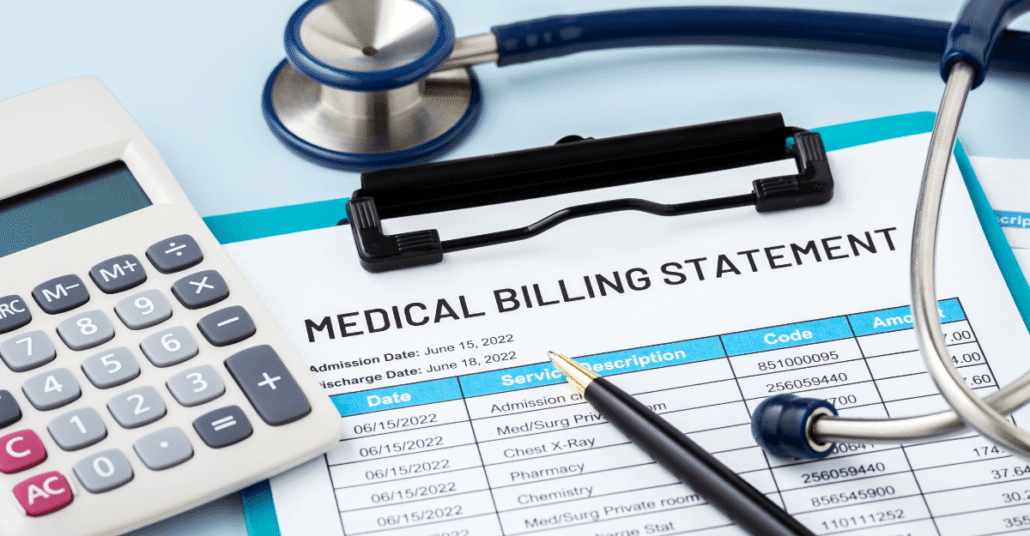
Once the dust settles and you return home from a facility like Northwestern Memorial Hospital or John H. Stroger Jr. Hospital, a new kind of anxiety often takes hold. The physical pain of your injuries is soon matched by the financial stress of the mail arriving at your doorstep. Emergency room invoices, radiology bills for MRIs and X-rays, ambulance transportation fees, and surgical co-pays begin piling up on your kitchen table. You know the other driver caused the crash, and you have initiated a personal injury claim against their insurance, but those corporate adjusters are nowhere to be found when the billing departments start calling.
Who Is Responsible for My Medical Expenses Immediately After a Crash?
It is a harsh reality of the legal system that, regardless of who caused the traffic collision, the patient receiving the treatment is ultimately the one responsible for the bill at the time of service. When you are admitted to a trauma center or visit a physical therapy clinic, the registration desk will ask for your billing information, not the information of the person who ran the red light.
The opposing insurance adjuster will often use this financial pressure as a weapon. They know that mounting debt causes immense stress, and they hope that the fear of collections will force you to accept an early, severely undervalued settlement offer just to make the phone calls stop. Do not fall into this trap. Accepting an early offer means you give up the right to pursue compensation for any future medical care you might need for your injuries.
Instead of waiting for the at-fault driver to take responsibility, your attorney will help you tap into first-party safety nets. First-party coverages are policies that you or your employer hold directly, which are legally obligated to process your claims in good faith. By utilizing these available resources, you can ensure your physical recovery continues uninterrupted while your legal team handles the heavy lifting against the negligent party.
Will My Personal Health Insurance Cover Auto Accident Injuries?
Using your personal health insurance is generally the most effective way to manage medical expenses after a motor vehicle accident. Whether you have coverage through a private employer plan, the Affordable Care Act marketplace, or a union policy, your health insurance provider is contractually bound to cover your treatment just as they would for any other illness or injury.
Many accident victims hesitate to hand over their health insurance card at the hospital. They mistakenly believe that using their own insurance somehow lets the at-fault driver off the hook. This is absolutely not true. Using your private health coverage simply ensures that your doctors are paid promptly and your accounts are kept out of third-party collections. You will still be responsible for your standard out-of-pocket deductibles and co-pays, but these amounts are significantly smaller than paying raw hospital invoices in cash.
There is a vital legal mechanism you must understand when using this route. If your health insurance pays for treatment related to an auto accident, they have the right to be paid back if you receive a financial settlement from the driver who caused your injuries. This legal right of reimbursement is known as subrogation.
Essentially, your health insurer is saying, ‘We will pay for your broken arm now so you can heal, but if the other driver pays you $50,000 later for that broken arm, we want our money back.’ A knowledgeable attorney will later step in to negotiate these subrogation claims heavily, ensuring the health insurance company takes a reduced amount and leaves more of the final settlement funds in your pocket.
What Is Medical Payments Coverage in Illinois?
If you review your personal auto insurance declaration page, you might see a line item for Medical Payments coverage, commonly referred to as MedPay. According to guidelines outlined by the Illinois Department of Insurance, MedPay is an optional, no-fault coverage that pays for necessary medical and funeral expenses for anyone covered under your policy, including passengers in your vehicle at the time of the crash. Limits typically range from $1,000 to $10,000, though higher amounts are sometimes available.
The greatest advantage of MedPay is its speed and flexibility. Because it is a no-fault system, your insurance carrier will process and pay these claims without waiting for the Chicago Police Department to finalize its crash report or for civil courts to assign liability. Furthermore, MedPay has no deductibles or co-pays.
MedPay can be utilized in several strategic ways. If you do not have private health insurance, MedPay can serve as primary coverage for immediate needs like the ambulance ride or emergency room evaluation. If you do have health insurance, MedPay can be strategically applied to cover your out-of-pocket health insurance deductibles and specialized therapies that your health carrier might refuse to cover, such as extensive chiropractic care or certain massage therapies.
Can I Use a Letter of Protection to Delay Medical Billing?
Not everyone has robust health insurance, and many drivers waive MedPay coverage to save money on their monthly premiums. If you find yourself severely injured with no immediate way to pay for continuous care, your physical recovery could be in jeopardy. Many specialists, orthopedic surgeons, and physical therapy centers will refuse to treat uninsured patients on a traditional cash-pay basis if the patient lacks funds.
In these situations, a Letter of Protection (LOP) becomes a vital legal tool. An LOP is a formal document drafted by your legal counsel and signed by you, which is then sent to your medical providers. It legally guarantees that the healthcare facility will be paid directly from the proceeds of your eventual auto accident settlement or jury verdict.
When a hospital or physical therapist accepts an LOP, they agree to suspend all billing to you and halt any efforts to send your account to a collections agency. This allows you to receive high-quality surgical interventions and rehabilitative care at top-tier facilities without worrying about upfront costs. It protects your credit score from being destroyed by medical debt while granting your legal team the time they need to aggressively litigate your bodily injury claim in the Circuit Court of Cook County.
What Happens If My Medical Bills Exceed My Expected Settlement?
In catastrophic collision cases, the reality is that the cost of emergency surgeries and prolonged intensive care can easily run into the hundreds of thousands of dollars. If the driver who hit you only carries the state minimum liability insurance of $25,000, there will clearly not be enough money available to satisfy the raw medical invoices.
This scenario causes immense panic, but it is a situation personal injury attorneys handle regularly. When the available policy limits are insufficient, your legal representation will invoke the protective caps of the Illinois Health Care Services Lien Act. If the bills exceed the 40% cap, the law forces the medical providers to reduce their claims proportionately.
If the debts are spread across private health insurance subrogation claims, MedPay reimbursements, and direct hospital liens, your attorney will engage in aggressive backend negotiations. They will demonstrate to the providers that the settlement pool is strictly limited. Often, healthcare administrators will agree to drastic reductions and accept a smaller pro-rata share of the settlement rather than dragging the victim into bankruptcy, where the provider would likely recover absolutely nothing.
How Do Attorneys Negotiate Down Outstanding Medical Debts?
Maximizing a personal injury settlement is only half of the equation; minimizing the money you have to pay back to medical providers is equally important. When a case is resolved, your attorney will not simply write blank checks to the hospital from your trust account. Instead, they will systematically attack the outstanding balances to keep more money in your pocket.
This debt reduction process involves several strategic steps:
- Auditing the Invoices: Legal teams closely review massive hospital ledgers line-by-line to identify upcoding, duplicate charges, or billing for supplies that were never actually used during your stay.
- Challenging Subrogation Claims: Under certain legal doctrines, such as the Common Fund Doctrine, an attorney can force your health insurance company to reduce its reimbursement demand to account for the attorney’s fees incurred in securing the settlement. If the lawyer did the hard work to get the money, the health insurer should not get a free ride.
- Leveraging Statutory Reductions: If the hospital failed to file their lien paperwork correctly with the county, or failed to send notice via certified mail as required by the Lien Act, the attorney can invalidate the lien entirely, stripping the hospital of its secured rights and forcing them to negotiate as an unsecured creditor.
- Negotiating Hardship Waivers: If a client is facing permanent disability or severe financial ruin due to lost wages, attorneys can present a hardship package to the hospital’s billing directors, appealing for compassionate balance forgiveness.
How Can Fotopoulos Law Office Help with My Medical Debt?
A severe physical injury strips away your health, your peace of mind, and your financial stability. At Fotopoulos Law Office, our attorneys intimately understand the heavy burdens placed on accident victims in the Chicago area. We take a comprehensive approach to personal injury law. We do not just fight the at-fault driver’s insurance company for maximum compensation; we also shield you from aggressive hospital billing departments.
Contact us today for a free, fully confidential consultation to discuss your specific legal options.
Frequently Asked Questions
Can a hospital send my bills to collections while my lawsuit is pending?
Yes, unless specific legal arrangements have been established. If you do not have health insurance and ignore the hospital’s invoices, their billing department will eventually route the debt to a third-party collections agency, which will damage your credit score. This is why it is essential to have an attorney issue a Letter of Protection or help coordinate the formal filing of a medical lien, both of which legally halt aggressive collection actions while your claim is resolved.
Does Medicare or Medicaid pay for car accident injuries in Illinois?
Yes, government health programs like Medicare and Medicaid will cover your medical treatment for injuries related to an auto accident. However, they act as secondary payers if auto insurance (like MedPay) is available. Furthermore, both Medicare and Medicaid maintain incredibly strict, federally enforced subrogation rights. They will demand reimbursement from your final personal injury settlement, and resolving these specific government liens requires meticulous legal navigation to avoid heavy financial penalties.
What if I do not have health insurance after a Chicago auto collision?
If you lack private health insurance, you are not out of options. You can initially rely on your auto policy’s Medical Payments (MedPay) coverage if you opted to carry it. Once MedPay limits are exhausted, your attorney can issue Letters of Protection to a network of trusted medical providers. These specialists, ranging from physical therapists to orthopedic surgeons, agree to treat you on a lien basis, deferring their payment until your case successfully settles.
Will my auto insurance rates increase if I use MedPay?
In Illinois, insurance carriers generally cannot raise your monthly premiums or cancel your coverage solely because you utilized your Medical Payments coverage, provided you were completely not at fault for the accident. Using MedPay for a collision caused entirely by another driver’s negligence is utilizing a benefit you have paid premiums to access, and the state’s regulatory frameworks prevent insurers from unjustly penalizing you for it.
Do I still owe medical bills if I lose my personal injury case?
Yes, the medical debts incurred for your treatment remain your personal financial responsibility even if the personal injury claim is ultimately unsuccessful. A hospital provided a service, and they are legally entitled to compensation. This stark reality underscores the importance of using your personal health insurance from the very beginning to mitigate raw costs, and emphasizes why working with experienced legal counsel is essential to building a claim strong enough to win.
How long do hospitals have to file a medical lien in Cook County?
To secure a valid, enforceable claim against your settlement funds, medical providers must generally file their formal notice of lien before the settlement or jury judgment is actually paid out to you. The provider is required by the Illinois Health Care Services Lien Act to send written notice of the lien to the injured person and the at-fault party (or their insurer) via registered or certified mail. If they fail to follow these strict procedural rules, the lien may be legally invalidated.







Leave a Reply
Want to join the discussion?Feel free to contribute!